Nasr City, 52 El Tayaran Street, in front of the Health Insurance Hospital

Treatment of spinal curvature

Treating spinal curvature has become easier and more effective thanks to medical advancements, allowing the condition to be managed and quality of life improved through various methods. Curvature of the lower spine is one of the most common issues affecting appearance and movement, but with proper medical care, it is now possible to significantly improve spinal health and achieve remarkable results.
In this article, we will cover the most important information about treating spinal curvature, from non-surgical options like physical therapy for scoliosis, to advanced techniques, when surgery is necessary, recovery time, and answering questions such as "Does scoliosis cause pain?". We will also show the results of spinal curvature treatment with before-and-after photos and other important details. Finally, we will recommend the best doctor for treating lower back spinal curvature in Egypt. Just stay with us until the end.
Treating Spinal Curvature
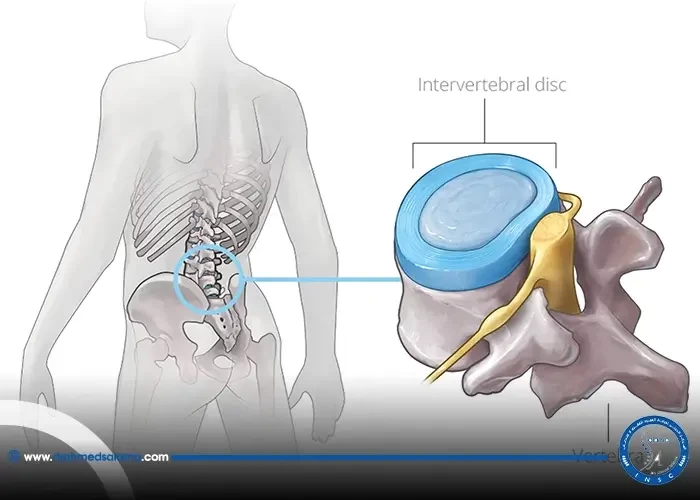
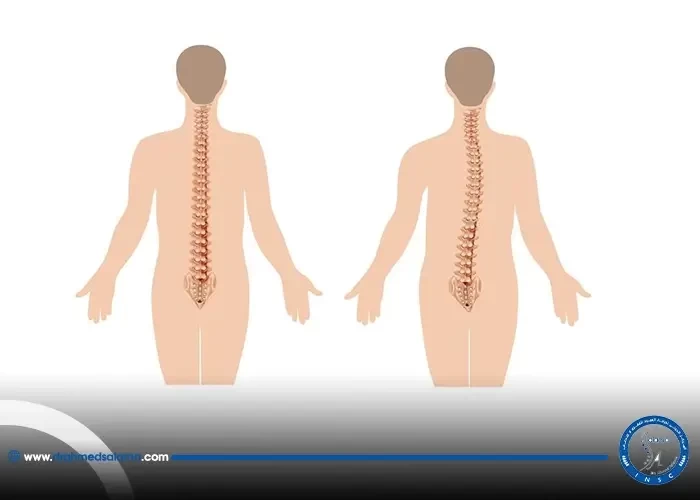
Spinal curvature is a common problem that affects the back's appearance and daily movement. It can appear at any age, in both children and adults, and is sometimes accompanied by nagging lower back pain and quick fatigue during daily activities.
The treatment for spinal curvature depends on the severity of the condition. In mild to moderate cases, specialized exercises to strengthen back muscles and improve posture can be used, along with braces or back supports to prevent the curvature from progressing. These non-surgical methods provide tangible results with regular adherence.
As for severe and advanced cases, surgical intervention may be required, especially when the condition affects movement or causes chronic pain. With medical advancements, microscopic surgery and spinal endoscopy now offer greater precision and significantly reduce recovery time compared to traditional methods.
To receive the best care for treating lower back spinal curvature, you can contact us at Dr. Ahmed Ibrahim Salama's center—a consultant in neurosurgery and spinal surgery. We focus on accurately assessing each case and developing a personalized treatment plan for every patient to ensure improved health and minimize any potential complications.
Non-Surgical Treatment for Spinal Curvature: Effective Solutions for Mild to Moderate Cases
In mild to moderate cases, lower back spinal curvature can be treated with non-surgical methods. These approaches help improve posture, reduce pain, and significantly enhance quality of life, especially with early monitoring and the application of appropriate solutions under specialized medical supervision. These therapeutic methods include:
Treating Spinal Curvature with Specialized Exercises (Physical Therapy)
Treating scoliosis with physical therapy is one of the most effective solutions for mild cases, especially if the curve angle is between 10-20 degrees. These sessions work to strengthen back muscles, improve range of motion, correct spinal posture, and alleviate pain resulting from the curvature. This includes pelvic tilt exercises, corrective breathing exercises, and spinal stabilization exercises during daily activities, ensuring improved motor performance and reducing the progression of the curvature.
The Role of Back Braces (Supports) in Stopping Curvature Progression
Braces and back supports play an important role in treating scoliosis and halting the progression of the curve. They help stabilize the spine in the correct position and prevent the curve from increasing, especially in children and adolescents during their growth phase. These braces can also be used in conjunction with physical therapy for scoliosis to enhance results and reduce the need for future surgical intervention.
Are Injections and Radiofrequency Ablation Methods for Treating Spinal Curvature?
Injections and radiofrequency ablation are not considered primary solutions for treating scoliosis in adults. They do not correct the curvature itself but may be used in some cases to alleviate the pain associated with the curve, especially when vertebrae are pressing on nerves or there is localized inflammation.
Generally, determining the appropriate treatment plan for scoliosis in adults or children depends on the doctor's diagnosis for each case. Therefore, do not hesitate to contact us at Dr. Ahmed Ibrahim Salama's center—a consultant in neurosurgery and spinal surgery—to evaluate your condition and develop a treatment plan tailored to your needs using the latest technologies.
Surgical Treatment for Spinal Curvature: When Is It Necessary?
Surgical treatment for spinal curvature is the optimal solution for severe and advanced cases that do not respond to conservative treatments like exercises or braces. The surgery aims to correct the curvature by removing the cartilage and fusing the vertebrae, protecting the patient from potential complications. Surgery is usually not recommended without a thorough evaluation of the case by a specialized doctor to ensure the best results and improve quality of life.
Candidates for Spinal Curvature Correction Surgery
Surgery is recommended for severe cases of scoliosis and spinal curvature, including:
The Latest Techniques in Endoscopic and Microscopic Surgery for Curvature Treatment
Endoscopic and microscopic surgery techniques are among the most significant recent advancements in treating spinal curvature. They allow the procedure to be performed through small incisions with precise instruments, which minimizes damage to surrounding tissues and reduces post-operative pain. The main advantages of these techniques include:
If you are looking for an effective solution to treat scoliosis in adults and children and want an accurate assessment and a personalized treatment plan, contact us at Dr. Ahmed Ibrahim Salama's center—a consultant in neurosurgery and spinal surgery—to receive advanced care and ensure safe and effective results.
Does the Treatment for Spinal Curvature Differ Between Adults and Children?
The treatment for spinal curvature in adults does not differ from that in children in terms of its primary goal. In both cases, the aim is to improve posture, reduce pain, and prevent the curve from worsening to maintain spinal stability and quality of life.
However, determining the appropriate treatment plan mainly depends on the doctor's diagnosis for each case according to the degree of curvature, its rate of progression, and its associated symptoms. In some cases, therapeutic exercises and braces may be sufficient, while advanced cases may require surgical intervention to ensure the best therapeutic outcome.
Therefore, do not hesitate to book your consultation with us at Dr. Ahmed Ibrahim Salama's center—a consultant in neurosurgery and spinal surgery—to diagnose your condition and determine the appropriate treatment for either children or adults, ensuring the best possible results and reducing the chances of any future complications.
How Long Does It Take to Recover from Spinal Curvature Treatment?
The duration of treatment for spinal curvature varies from one case to another, as there is no fixed timeline that applies to all patients. It depends on the nature of the curve and the response to the recommended treatment plan. The main factors influencing the treatment duration include:
In general, early diagnosis and prompt initiation of appropriate treatment improve the chances of a faster recovery and achieve stable long-term results.
Can Spinal Curvature Be Cured Permanently?
Yes, spinal curvature can be permanently cured in many cases, especially when detected early and the appropriate treatment plan is initiated according to the degree of curvature and the patient's health condition. Mild to moderate cases often respond effectively to physical therapy, corrective exercises, and the use of braces, which helps improve back alignment and prevent the problem from worsening.
In severe cases, surgical intervention may be the optimal solution to effectively correct the curvature and fuse the vertebrae, providing the patient with long-term improvement and noticeable stability in the spine's shape and function.
What Are the Dangers of Neglecting Spinal Curvature Treatment?
Neglecting treatment for spinal curvature can lead to the worsening of the curve over time, especially during the growth phase or if accompanied by clear symptoms. This can lead to risks that significantly affect daily quality of life. The main risks include:
To avoid these risks, do not hesitate to contact us at Dr. Ahmed Ibrahim Salama's center for a consultation and a suitable plan for your condition to treat spinal curvature and safely restore your quality of life.
Does Scoliosis Cause Pain?
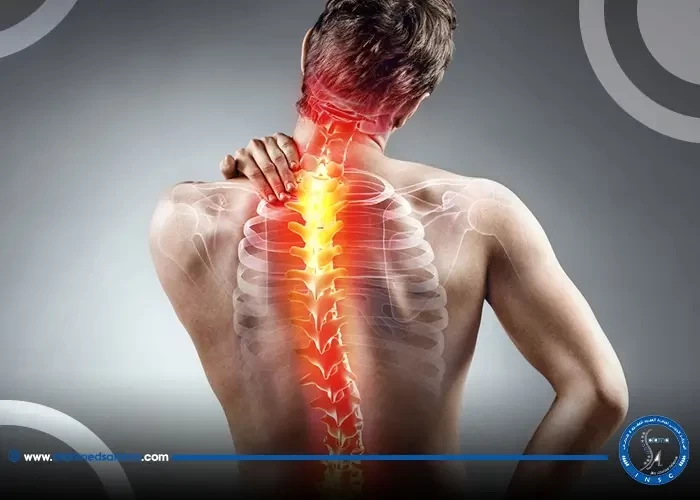
Yes, scoliosis can cause pain ranging from mild to chronic, especially if the degree of curvature increases or the condition is left untreated. Its impact is not limited to back pain but can also affect breathing, movement, and even mental health due to visible changes in body shape. This pain is due to several reasons, the most important of which are:
Therefore, early management of scoliosis helps reduce pain and prevent the development of related complications. It is essential to rely on an experienced doctor to ensure an accurate diagnosis and develop a suitable treatment plan for each case according to the degree of curvature, achieving the best therapeutic results and maintaining long-term spinal health.
Results of Spinal Curvature Treatment in Pictures
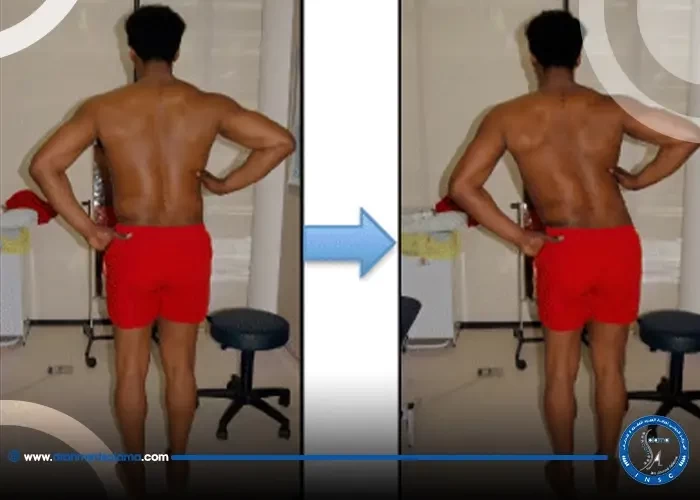
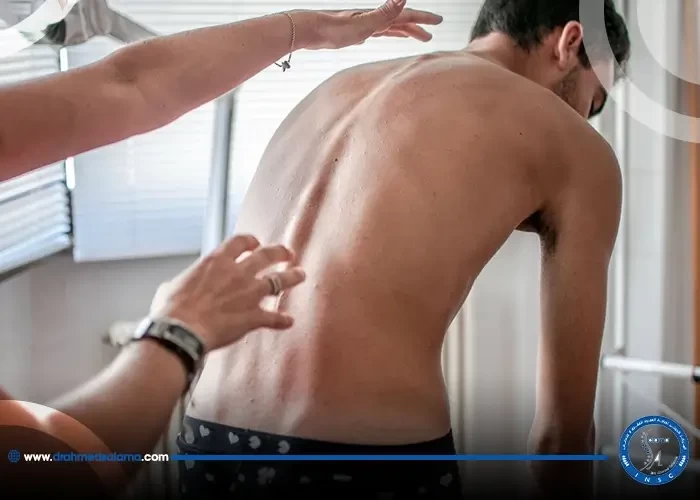
Before-and-after pictures of spinal curvature treatment show a significant improvement in spinal alignment and posture after following the appropriate treatment plan. Before treatment, the curve may be evident in tilted shoulders, a protruding rib cage on one side, or an uneven waist, with complaints of pain or difficulty moving in some cases.
After treatment, the pictures show a noticeable improvement in back straightness and body symmetry, with a reduction in the degree of curvature and the disappearance of visible signs, to varying degrees depending on the severity of the case and the type of intervention used. This improvement is reflected in motor performance, self-confidence, and overall quality of life.
However, achieving these excellent results depends on the degree of the curve, adherence to the treatment plan, regular follow-up, and the doctor's experience and skill in choosing the appropriate therapeutic approach for each case to ensure the best possible outcome and long-term stability.
The Best Doctor and Expert in Treating Spinal Curvature: Dr. Ahmed Salama
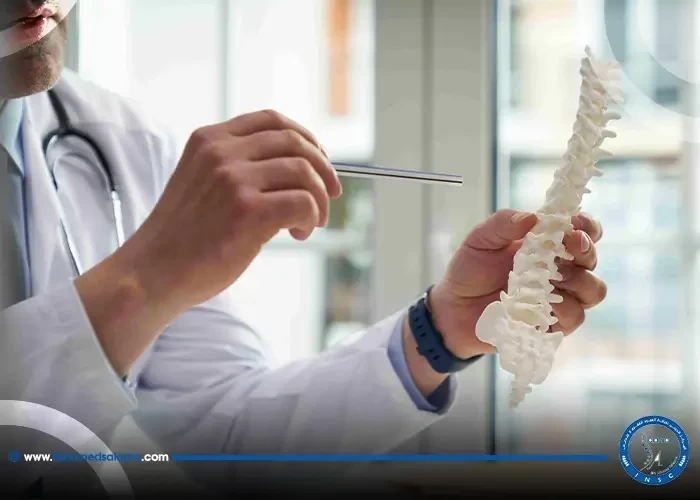
Dr. Ahmed Ibrahim Salama—a consultant in neurosurgery and spinal surgery—is considered the best choice for treating spinal deformities and curvature in children and adults. He combines scientific expertise with modern technologies to achieve the best results for patients, providing comprehensive care for each case to ensure effective improvement and a better quality of life.
The key features that place us at Dr. Ahmed Ibrahim Salama's center at the forefront of patients' choices include:
In conclusion, treating spinal curvature is a vital step to maintain back health and improve quality of life, whether through physical therapy and braces in mild to moderate cases or advanced surgery for severe cases. It is essential to rely on an experienced doctor and a trusted center to ensure the best results.
At Dr. Ahmed Ibrahim Salama's center—a consultant in neurosurgery and spinal surgery—we provide an accurate assessment for each case and a personalized treatment plan using the latest technologies to ensure spinal alignment, reduce pain, and effectively and safely improve your quality of life. Contact us today to book your consultation and let us help you recover safely.
Is it possible to cure kyphosis?
Yes, curvature of the spine can be cured in many cases, especially if it is detected early and the appropriate treatment plan is followed, whether through therapeutic exercises and braces for mild and moderate cases or surgery for severe cases, which helps to restore the straightness of the spine and improve daily performance.
Can scoliosis be treated without surgery?
Yes, in mild cases, spinal curvature can be treated without surgery through physical therapy, corrective exercises, and the use of braces or back supports, which help improve posture and prevent the curvature from worsening, with the need to monitor the condition periodically to ensure effective results.