Nasr City, 52 El Tayaran Street, in front of the Health Insurance Hospital

Treatment of spinal curvature with physical therapy

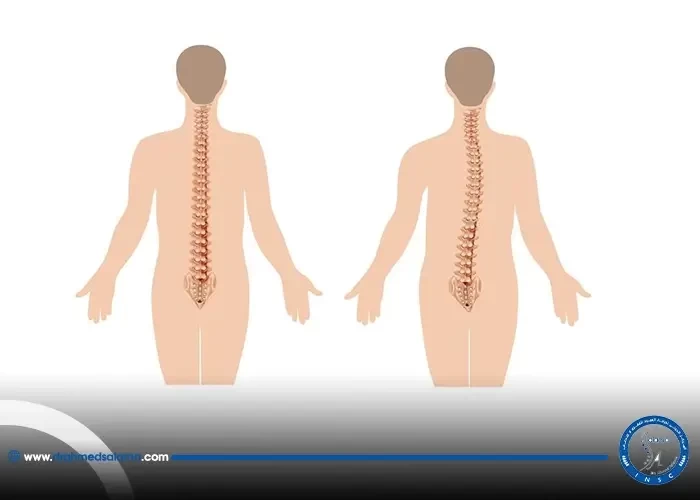
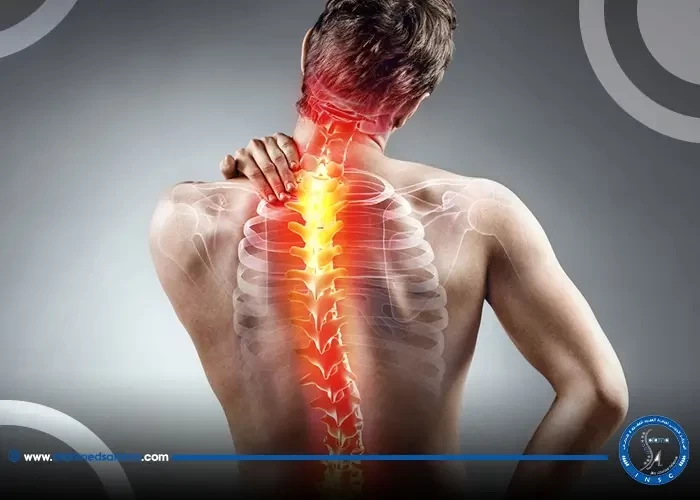
Many individuals suffer from spinal curvature and often question whether physical therapy alone is sufficient to improve their condition, alleviate pain, and restore mobility. The significance of addressing spinal curvature through physiotherapy lies in its effectiveness as a treatment modality for numerous cases, particularly when identified early and managed through a structured program under specialized medical supervision.
This article examines the role of physical therapy in treating spinal curvature, identifying appropriate candidates for this approach, and the various degrees of curvature manageable through conservative means. It also discusses the underlying causes influencing treatment plans, the diagnostic process, core physiotherapy techniques, and the importance of muscle strengthening and posture correction. Furthermore, we explore instances where physical therapy may be insufficient and the factors that dictate clinical outcomes, providing guidance on selecting a distinguished specialist such as Prof. Dr. Ahmed Ibrahim Salama — Consultant of Neurosurgery and Spine and Fellow of the American Association for Spinal Deformities (USA).
Therapeutic Suitability of Physical Therapy
Treating spinal curvature with physical therapy is a vital clinical option, especially when the degree of curvature is mild to moderate and is not accompanied by severe neurological compression or advanced structural deformities. The primary objectives of physiotherapy are to enhance the strength of the musculature supporting the spine, increase overall flexibility, reduce chronic pain, and improve postural alignment. While physical therapy may not entirely eliminate the curvature, it serves as a critical intervention to limit progression and improve the patient's quality of life when followed diligently.
|
Indication for Physical Therapy |
Clinical Objective |
|
Mild to Moderate Curvature |
Prevent further progression and maintain alignment. |
|
Chronic Back Pain |
Address muscle imbalances and reduce strain. |
|
Reduced Mobility |
Enhance spinal flexibility and range of motion. |
|
Postural Imbalance |
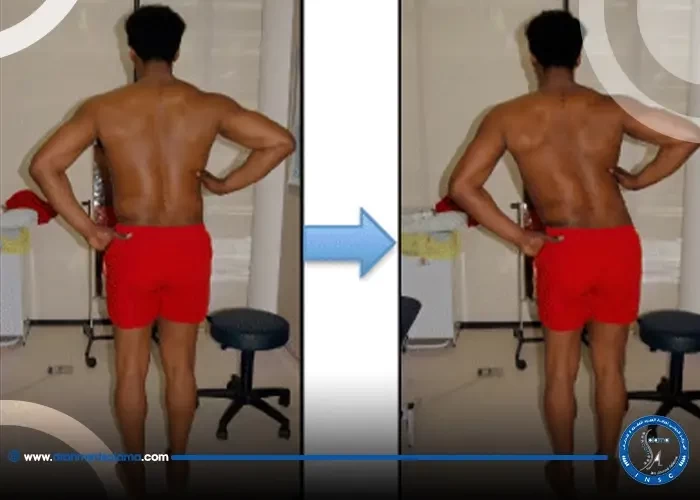
Correct visible body tilt and improve symmetry. |
|
Post-Surgical Support |
Rehabilitate and stabilize the spine after intervention. |
The success of these interventions is fundamentally linked to early diagnosis and a high level of patient adherence to the prescribed program. Prof. Dr. Ahmed Ibrahim Salama emphasizes a precise evaluation of each patient to determine the most appropriate course of action, whether it be conservative physical therapy or more advanced medical interventions.
Classification of Curvature and Management Strategies
The effectiveness of physiotherapy is largely dictated by the severity of the spinal curve, typically measured using the Cobb Angle via radiographic imaging. This measurement serves as the clinical standard for determining the necessary level of intervention and the frequency of monitoring.
|
Cobb Angle Range |
Clinical Classification |
Management Approach |
|
10° to 20° |
Mild Curvature |
Periodic monitoring and specialized physiotherapy to improve posture and muscle strength. |
|
20° to 40° |
Moderate Curvature |
Intensive physiotherapy programs combined with regular radiographic follow-ups. |
|
40° to 50° |
Significant Curvature |
Comprehensive evaluation by a spine surgeon to assess the adequacy of conservative care. |
|
Above 50° |
Severe Curvature |
Physical therapy is often insufficient; surgical intervention is typically discussed. |
Clinical decisions are not based solely on numerical measurements but also consider the patient's age, the rate of curve progression, and the presence of neurological symptoms. This holistic approach ensures that the selected treatment plan is optimized for the individual's specific needs.
Etiology and its Impact on Treatment Planning
Successful treatment requires a thorough understanding of the underlying cause of the spinal curvature, as different etiologies respond differently to physical therapy. Identifying the root cause allows clinicians to design targeted programs that address specific deficits, whether they relate to muscle weakness, structural changes, or neurological dysfunction.
"The success of a physiotherapy program is contingent upon identifying the specific type of scoliosis or curvature, as general exercises without a proper diagnosis can sometimes exacerbate symptoms."
Common causes influencing the treatment plan include Adolescent Idiopathic Scoliosis (AIS), which persists from puberty, and degenerative changes associated with aging. Other factors include neuromuscular disorders, previous spinal injuries, leg length discrepancies, and osteoporosis. By tailoring the program to these specific causes, therapists can more effectively target muscle strengthening, balance, and pain management.
Diagnostic Procedures and Assessment
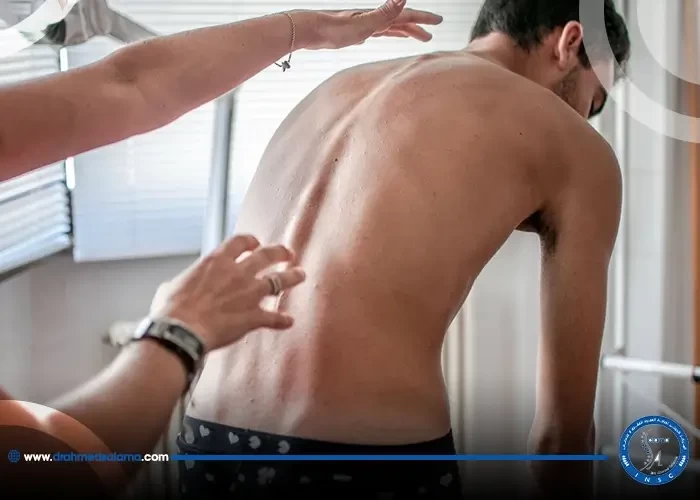
A successful outcome in treating spinal curvature depends on a rigorous diagnostic process. This begins with a comprehensive review of the patient's medical history and a clinical examination to evaluate spinal alignment, pelvic symmetry, and muscle strength. Radiographic imaging remains the gold standard for measuring the Cobb Angle, while Magnetic Resonance Imaging (MRI) may be utilized if there is suspicion of spinal cord or nerve root involvement.
The diagnostic framework generally involves a clinical assessment of body symmetry, followed by radiographic measurements to quantify the degree of curvature. Therapists also evaluate muscle flexibility and strength to identify specific areas requiring intervention. This comprehensive assessment ensures that physical therapy is appropriate and that more complex interventions are only recommended when necessary.
Core Methodologies in Physiotherapy
The primary goal of physical therapy for spinal curvature is to restore body balance and strengthen the core musculature. Treatment plans are highly individualized, often incorporating a variety of techniques to achieve optimal results. These may include core stabilization exercises, balance training, and targeted stretching to improve flexibility.
Specialized programs, such as the Schroth Method, utilize three-dimensional breathing and corrective exercises to address the specific shape of the patient's curvature. Additionally, a home-based exercise regimen is a critical component of the treatment plan, as long-term improvement relies on consistent practice beyond clinical sessions.
Posture Correction and Behavioral Modification
Effective management extends beyond the clinic and into the patient's daily life. Correcting postural habits during sitting, standing, and walking is essential to reduce the mechanical stress placed on the spine. Patients are encouraged to adopt ergonomic practices, such as maintaining a straight back while seated and distributing weight evenly when standing.
Prof. Dr. Ahmed Ibrahim Salama advises patients to avoid prolonged bending and to use ergonomic furniture in the workplace. These behavioral modifications, combined with regular physical activity and proper lifting techniques, significantly enhance the efficacy of the physical therapy program and help prevent the recurrence of pain.
Monitoring Progression and Long-term Outcomes
Periodic follow-up is a fundamental aspect of spinal care, allowing clinicians to monitor the patient's response to treatment and ensure that the curvature remains stable. These follow-ups typically involve clinical re-examinations, pain assessments, and, when necessary, repeated radiographic imaging to compare the degree of curvature over time.
For those experiencing persistent back pain or visible curvature, it is imperative to seek a professional evaluation before initiating any exercise program. Prof. Dr. Ahmed Ibrahim Salama provides comprehensive assessments to ensure that each patient receives a treatment plan aligned with the latest medical standards.
Limitations of Conservative Management
While physical therapy is highly effective for many, there are circumstances where it may not be sufficient. If a curvature is severe, rapidly progressing, or causing significant neurological deficits, more invasive interventions may be required.
|
Clinical Indicator |
Significance |
|
Progressive Cobb Angle |
Indicates that conservative measures are failing to stabilize the spine. |
|
Intractable Pain |
Pain that does not respond to medication or physiotherapy. |
|
Neurological Deficits |
Weakness or numbness indicating nerve root compression. |
|
Functional Impairment |
Significant impact on the ability to walk or perform daily tasks. |
|
Respiratory Compromise |
Severe curvature affecting lung capacity and breathing. |
In such cases, surgical options are explored to correct the deformity and protect spinal cord function. Timely intervention is crucial to prevent long-term complications and ensure the best possible functional outcome.
Factors Influencing Clinical Success
The success of physiotherapy is influenced by a combination of medical and behavioral factors. Early diagnosis is perhaps the most significant predictor of a positive outcome, as it allows for intervention before the curvature becomes severe. Other critical factors include the patient's age, the underlying cause of the condition, and their level of commitment to both clinical sessions and home exercises.
Maintaining a healthy body weight and practicing proper body mechanics in daily life also play vital roles in supporting the spine. By collaborating closely with their medical team and adhering to all recommendations, patients can achieve significant improvements in pain levels, posture, and overall spinal stability.
Guidance for Selecting a Specialist
Choosing the right specialist is the most important step in managing spinal curvature. A qualified physician should possess extensive experience in diagnosing spinal deformities and should work in conjunction with a specialized physiotherapy team. When evaluating a potential specialist, patients should look for a commitment to individualized care and a thorough diagnostic approach.
Prof. Dr. Ahmed Ibrahim Salama offers a comprehensive evaluation process that utilizes the latest diagnostic tools and scientific recommendations. Whether the most appropriate path is conservative physiotherapy or surgical intervention, patients receive a tailored plan designed to achieve the best possible results.
Conclusion and Recommendations
The successful management of spinal curvature through physical therapy is predicated on early detection, a customized treatment plan, and consistent patient engagement. Initiating treatment at the optimal time increases the likelihood of stabilizing the spine and improving daily function. Patients should avoid relying on generic exercises found online, as each case requires a professional assessment to ensure safety and effectiveness.
For those seeking a definitive diagnosis and a personalized treatment strategy, consulting with Prof. Dr. Ahmed Ibrahim Salama is the first step toward recovery. A specialized evaluation will provide the clarity needed to choose the right path, whether it involves physiotherapy, medical management, or surgical correction, ultimately leading to an improved quality of life.
Does physical therapy treat spinal curvature?
Physical therapy for scoliosis can help improve muscle strength, increase flexibility, correct posture, and reduce pain. In some cases, it may even slow the progression of the curvature. However, physical therapy does not always completely correct the curvature, especially in severe cases. The degree of improvement depends on the severity and cause of the curvature, the patient's age, and their adherence to the treatment plan.
How do you put the vertebrae back in place?
Vertebrae cannot be realigned through exercise or massage, as some believe, because scoliosis results from a change in the shape of the spine, not from a vertebra slipping out of place. Physical therapy for scoliosis aims to improve muscle balance, support the spine, and reduce pain, while advanced cases may require surgical intervention to correct the curvature if necessary.
What is the best treatment for scoliosis?
There is no single treatment that suits all patients, as the best approach depends on the degree of curvature, the underlying cause of the curvature, the patient's age, and the severity of the symptoms. In some cases, physical therapy is the best option for treating scoliosis, while others may only require medication or monitoring. Surgical intervention may be necessary if the curvature is severe or compresses nerves. Therefore, a thorough evaluation by a specialist is the essential first step in determining the appropriate treatment.