Nasr City, 52 El Tayaran Street, in front of the Health Insurance Hospital

Mid-back pain: causes and definitive treatments

Mid-back pain is a common symptom that can significantly impact your activity and quality of life. Its causes can range from simple muscle strain to more complex conditions that require specialized medical intervention. What are the causes of mid-back pain? And when is mid-back pain serious?
In this article, we'll learn the most important information about mid-back pain, including the causes of mid-back pain in women and men, its common symptoms, risk factors that increase the risk of mid-back pain, and detailed treatment methods, whether treating mid-back pain at home or using more effective medical methods. All of this is with Dr. Ahmed Ibrahim Salama, a consultant neurosurgeon and spine surgeon. Just keep reading
Mid-Back Pain
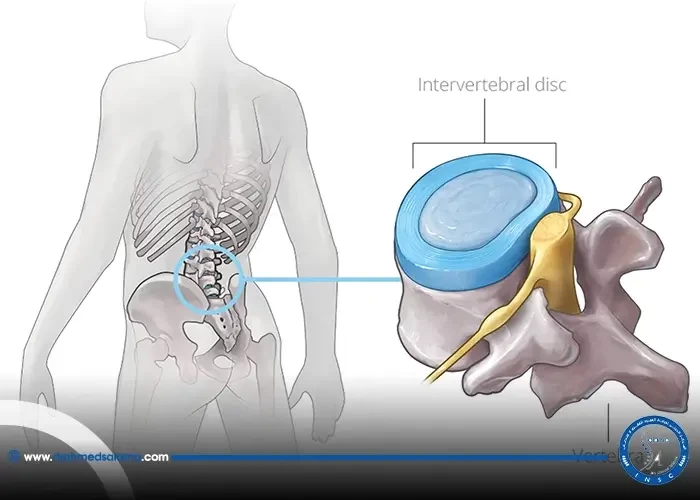
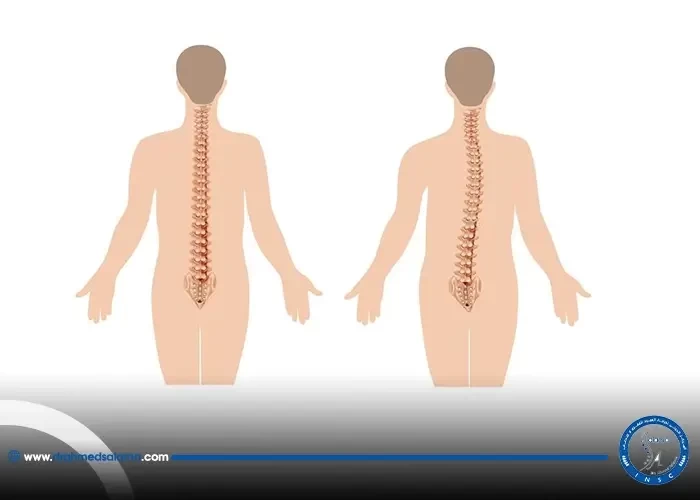
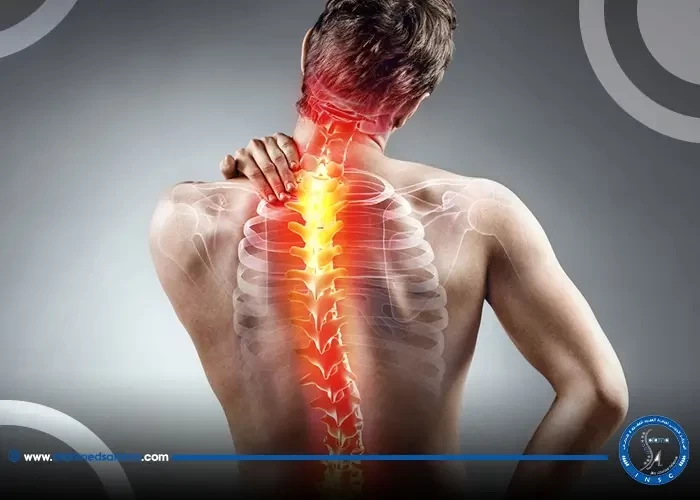
Mid-back pain is a common sensation that may result from muscle strain, fatigue from prolonged sitting, or even more complex problems with the vertebrae or intervertebral discs. This pain can limit your ability to perform daily movements and affect your ability to perform routine tasks, such as bending or lifting heavy objects. The severity and causes of pain vary from person to person, making early diagnosis a crucial step in determining the cause and receiving appropriate treatment before the condition worsens into more serious complications.
Because managing spinal problems requires meticulous expertise and a deep medical understanding, consulting Dr. Ahmed Ibrahim Salama, a consultant neurosurgeon and spine surgeon, provides you with a comprehensive assessment and a customized treatment plan to relieve your mid-back pain and restore your daily activities safely and efficiently.
Causes of Mid-Back Pain
Mid-back pain occurs for a variety of reasons, ranging from simple muscle strain to complex medical problems. Understanding these causes helps in choosing the appropriate treatment and avoiding complications. The most common causes of mid-back pain include:
Muscle and ligament strain: resulting from repetitive movement or sitting in an incorrect position for long periods.
Pinched nerve: Constant pressure on the spinal nerves leads to pain and numbness.
Slipped disc: A disc protrudes from its normal position between the vertebrae, which can compress the nerves and cause severe pain.
Vertebral fractures: These can result from sports injuries, falls, or accidents.
Osteoporosis: Cartilage wear and tear can lead to bone spurs pressing on nerves.
Myofascial pain syndrome: This syndrome can cause pain in various parts of the musculoskeletal system.
Gallbladder problems: Gallstones, for example, can cause pain radiating to the mid-back.
Because an accurate diagnosis is one of the causes of mid-back pain, it is recommended to consult Dr. Ahmed Ibrahim Salama to obtain an accurate diagnosis and a personalized treatment plan to restore comfort and normal movement.
Causes of Mid-Back Pain in Women
In addition to the general causes mentioned above, which can affect both men and women, there are factors specific to women that can lead to mid-back pain, most notably:
Hormonal changes: Hormonal fluctuations during the menstrual cycle or with menopause can cause mid- and lower-back pain.
Pregnancy: Pregnancy places additional stress on the spine and muscles, increasing the likelihood of mid-back pain.
Women's health problems: such as polycystic ovary syndrome or chronic pelvic inflammatory disease, which can cause pain in the lower back.
Weak bones after menopause: This is due to estrogen deficiency, which increases the likelihood of osteoporosis and spinal pain, as studies indicate.
Therefore, following up with a specialist, such as Dr. Ahmed Ibrahim Salama, is an essential step in accurately determining the cause and choosing the most appropriate treatment for her condition.
Symptoms of Mid-Back Pain
The symptoms of mid-back pain vary depending on the cause and may range from mild to severe pain that affects mobility and daily activities. The most prominent symptoms include:
Stiffness and stiffness of the muscles in the back area.
Pain ranging from mild to severe.
Numbness or tingling in the back or extremities.
A feeling of general fatigue and constant tiredness.
Difficulty bending, lifting, or moving freely.
If you notice persistent or severe symptoms of mid-back pain, you can schedule a consultation with Dr. Ahmed Ibrahim Salama, a consultant neurosurgeon and spine surgeon, to receive an accurate diagnosis and effective treatment that will relieve your pain and restore your daily comfort.
When is mid-back pain serious?
Mild back pain often improves with home treatment and rest within a few weeks. However, there are cases where mid-back pain may be an indication of a more serious problem and warrants an immediate visit to the doctor. This occurs when:
The pain persists for several weeks without noticeable improvement.
Severe pain that doesn't improve with rest.
Pain spreading to one or both legs, especially below the knee.
Weakness, numbness, or tingling in the legs.
Unexplained weight loss.
New bowel or bladder problems.
Fever or pain immediately after a fall or injury.
In these cases, it's essential to consult a specialist, such as Dr. Ahmed Ibrahim Salama, to accurately diagnose your condition and develop an appropriate treatment plan before the condition develops into more serious complications.
Treatment of Middle Back Pain
There are many ways to treat middle back pain, and determining the appropriate treatment depends largely on the cause and severity of the pain. Treatment generally aims to improve mobility, relieve pain, and identify the underlying causes of the health problem. These include:
Treatment of Middle Back Pain at Home
In mild cases, middle back pain can be treated at home through several simple steps, including:
Gently performing stretching and flexion exercises.
Alternating between warm and cold compresses to reduce inflammation and spasms.
Using over-the-counter pain relievers sparingly.
Back massage using gentle circular motions to improve blood flow and relax muscles.
Medication
The doctor may prescribe medications to help relieve pain and inflammation, including:
Pain relievers and nonsteroidal anti-inflammatory drugs.
Muscle relaxants to relieve spasms.
Neuralgia medications or narcotic pain medications may be prescribed if needed, but should be taken with caution under medical supervision.
Non-surgical treatment
In cases where mid-back pain does not respond to home treatment or medications, non-surgical treatment can be used to relieve pain and improve spinal function without the complications of surgery. This includes:
Physical therapy: Exercises designed to strengthen the back and abdominal muscles and improve spinal flexibility.
Therapeutic massage techniques: Help relieve muscle spasms and improve movement.
Electrical stimulation: Use of specialized devices to stimulate nerves and muscles to relieve pain.
Radiofrequency: This therapy works by disrupting the sensory portion of the nerves responsible for transmitting pain signals to the brain.
Local injections: Such as steroid (cortisone) injections to reduce inflammation directly in the painful area.
Surgical Treatment
Surgery may be required if previous treatments fail or if there are severe structural problems, such as:
Removing a herniated disc to relieve pressure on the nerves.
Stabilizing the vertebrae and replacing damaged discs to improve spinal function.
Removing all or part of the lamina, depending on the severity of the condition, to relieve pressure on the spinal cord.
To achieve the best results and follow a safe and effective treatment plan for middle back pain, it is essential to consult an experienced spine specialist, such as Dr. Ahmed Ibrahim Salama, to assess the condition and develop the appropriate treatment.
Why choose Dr. Ahmed Ibrahim Salama for treating middle back pain?
When it comes to treating spine problems, choosing the right doctor is the most important step to ensure accurate diagnosis and effective treatment. Dr. Ahmed Ibrahim Salama, a consultant neurosurgeon and spine surgeon, is the ideal choice for treating middle back pain, thanks to his extensive experience and expertise in handling simple or complex cases, with a focus on providing personalized care for each patient.
The most important reasons that make Dr. Ahmed Ibrahim Salama the first choice include:
He has extensive experience in diagnosing and treating all back and vertebral problems.
He relies on the latest medical technologies in spine surgery.
He provides customized treatment plans tailored to each patient's condition.
He provides close follow-up during the recovery period to ensure the best results.
He has proven experience with herniated discs and chronic mid-back pain.
He pays great attention to the patient's psychological and physical comfort during treatment.
Continuous follow-up after treatment to ensure each patient regains normal mobility.
He enjoys an excellent reputation among patients thanks to his successful treatment results.
In conclusion, mid-back pain is a common problem that can affect your quality of daily life if not addressed properly. Therefore, it is essential to identify the potential causes, monitor symptoms, and follow appropriate treatment methods under the supervision of a specialized medical professional. For this reason, it is recommended to consult Dr. Ahmed Ibrahim Salama, a consultant neurosurgeon and spine surgeon, as he provides an accurate diagnosis and a customized treatment plan that will help you regain mobility and daily activity safely and effectively
Is mid-back pain related to the heart?
In most cases, mid-back pain is caused by problems with the muscles, vertebrae, or intervertebral discs, and is not related to the heart. However, in some rare cases, pain radiating to the back or between the shoulders may be related to a heart attack, especially if accompanied by other symptoms such as shortness of breath or chest pain
How can I get rid of mid-back pain?
Mid-back pain can be relieved through home treatments such as stretching exercises, hot and cold compresses, and simple painkillers, in addition to physical therapy sessions. In severe or chronic cases, a doctor may recommend stronger nerve pain medications, or advanced treatment procedures such as local injections and radiofrequency ablation, and even surgery if necessary