Nasr City, 52 El Tayaran Street, in front of the Health Insurance Hospital

Symptoms of cervical disc

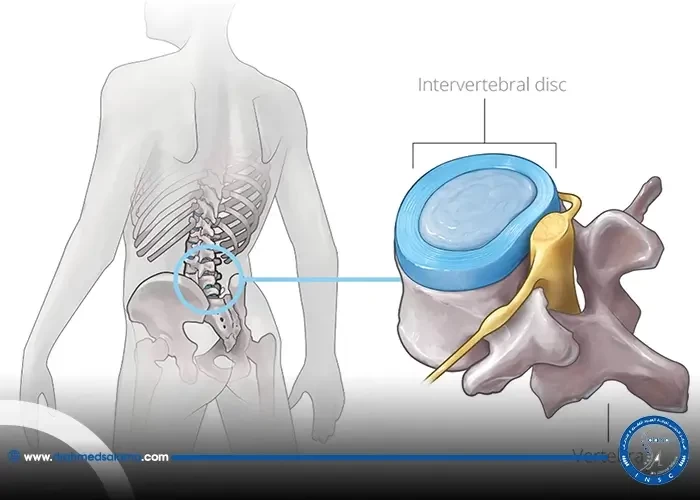
Cervical disc symptoms are among the most common problems affecting the neck, shoulders, and arms. A cervical disc herniation occurs when the disc compresses the nerves in the cervical vertebrae, causing chronic pain that may be accompanied by numbness or muscle weakness. Because early diagnosis is the most important step toward proper treatment, it is recommended to consult a specialized consultant such as Dr. Ahmed Ibrahim Salama, a consultant neurosurgeon and spine surgeon, to obtain an accurate assessment and develop a treatment plan that suits your condition and prevents complications.
Cervical disc symptoms
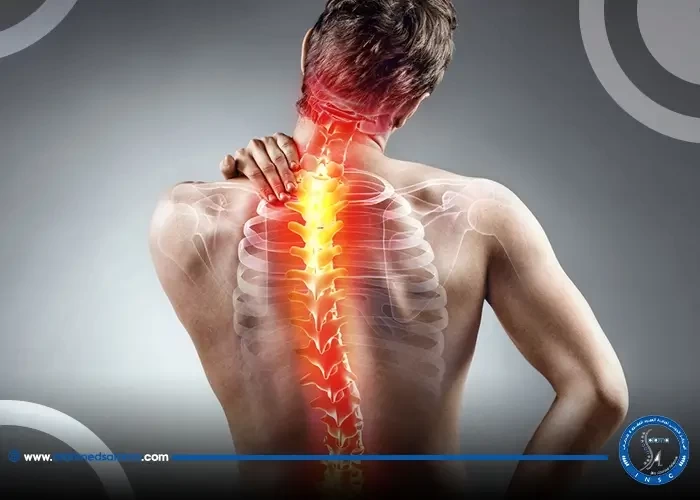
The severity of cervical disc symptoms varies from person to person depending on the degree of herniation and the location of the nerve compression. However, they often begin with mild neck pain that may gradually progress to affect the shoulder and arm. Early recognition of these symptoms helps prompt medical intervention and avoid complications. The most common symptoms of a cervical disc include:
Chronic or intermittent neck pain that worsens with movement.
Pain that extends to the shoulder or arm, and sometimes to the hand and fingers.
Numbness or tingling in the upper extremities.
Weakness in the arm muscles or difficulty carrying objects.
A headache associated with a stiff neck.
If you are experiencing any of the symptoms of a cervical disc, do not hesitate to consult Dr. Ahmed Ibrahim Salama, a consultant neurosurgeon and spine surgeon, to obtain a proper diagnosis and a comprehensive treatment plan that will help you regain your normal, pain-free quality of life.
Cervical Disc and Factors That Increase the Risk of Injury
Many people suffer from a cervical disc problem due to constant pressure on the cervical vertebrae or the weakening of the discs over time. Although aging is the most common cause, there are other factors that may increase the likelihood of a herniated disc in the neck and cause symptoms to appear more quickly or more severely. Knowing these factors helps prevent and reduce the risk of injury. The most prominent of these factors are:
Aging and the weakening of the discs over time.
Sitting for long periods in an incorrect position, especially in front of a computer or phone.
Lifting heavy weights incorrectly.
Smoking, which reduces the nutrition of the discs.
Lack of exercise and weak neck and back muscles.
Exposure to direct injuries or accidents to the neck.
Cervical Vertebral Friction
Cervical vertebral friction is a common problem, especially with aging. This occurs when the cartilage and small joints between the cervical vertebrae wear down, leading to reduced flexibility and increased friction during movement. This friction causes neck pain that may extend to the shoulders and arms, and is sometimes accompanied by headaches or dizziness due to nerve or blood vessel damage. Early diagnosis with a specialist consultant like Dr. Ahmed Ibrahim Salama helps control the symptoms of cervical vertebral friction and prevent complications through conservative treatment or appropriate intervention, depending on the case.
Methods for Diagnosing Cervical Disc Symptoms
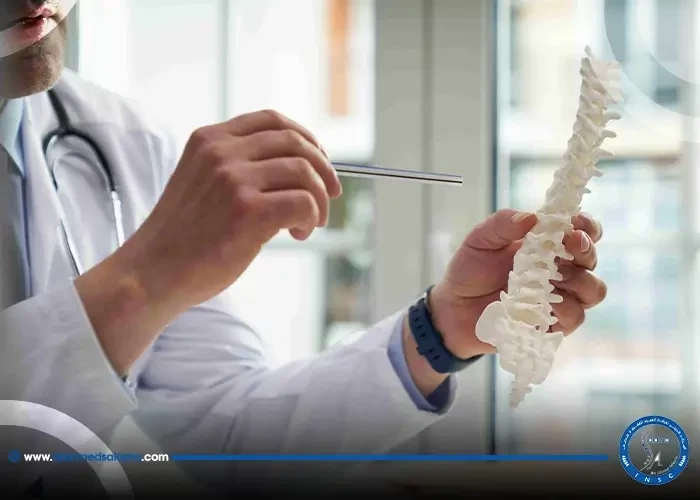
Accurate diagnosis is the essential step in developing an effective treatment plan tailored to each case. Dr. Ahmed Salama relies on the medical history and clinical examination, and may request some tests to confirm the cause and severity of the symptoms. Diagnostic methods include:
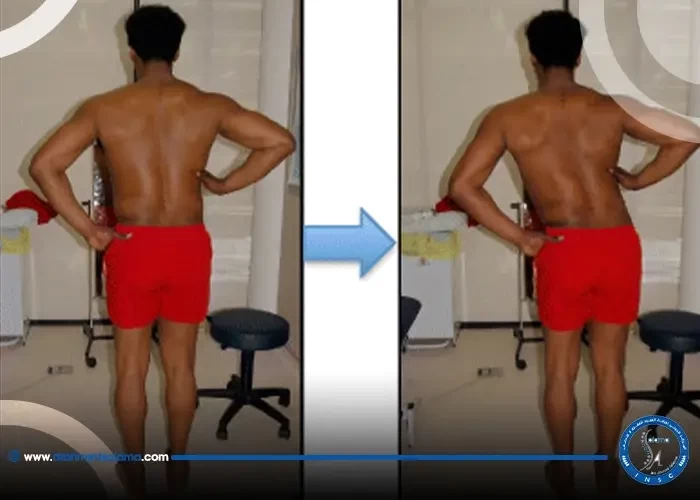
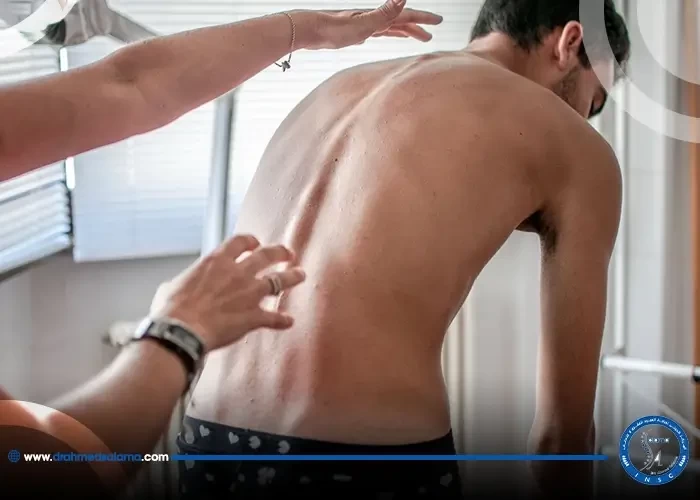
Clinical examination: Evaluating neck movement, muscle strength, and neurological reflexes.
X-rays: To detect problems with the vertebrae or narrowing of the spaces between them.
Magnetic Resonance Imaging (MRI): The best way to visualize the discs and nerves and accurately pinpoint the location of the herniated disc.
Computed Tomography (CT): Used when more detail is needed about the bones and vertebrae.
Electromagnetic Myelography (EMG): Measures nerve activity and confirms pressure on the nerves.
When symptoms of a cervical disc herniation appear, early diagnosis with Dr. Ahmed Ibrahim Salama helps avoid complications and choose the most appropriate treatment for your condition, whether conservative or surgical.
Methods for Treating Cervical Disc Symptoms
Treatment for a cervical disc varies from patient to patient depending on the severity of the symptoms and the degree of disc herniation. In most cases, the doctor begins with conservative and drug treatment. If the condition does not improve, more advanced options such as local injections or radiofrequency ablation are used. In severe cases, surgery may be the optimal solution.
Conservative Treatment
Includes relative rest and avoiding activities that increase pain, along with lifestyle modifications such as proper sitting and sleeping on a medical pillow. This type of treatment helps reduce pressure on the vertebrae and give the disc a chance to heal.
Medication
The doctor prescribes painkillers and anti-inflammatory medications to relieve symptoms, and sometimes muscle relaxants to reduce associated spasms.
Physiotherapy
This is one of the most important treatment steps, as it aims to strengthen the neck and back muscles and improve spinal flexibility, which reduces pressure on the nerves and relieves pain.
Local Injections
Cortisone or anti-inflammatory agents are injected around the affected nerve to reduce swelling and inflammation, providing temporary relief and helping the patient complete physical therapy.
Radiofrequency
A modern, non-surgical technique that sends precise heat waves to the nerves causing pain, reducing pain signals for long periods and providing the patient with noticeable improvement without surgical intervention.
Surgical Treatment
Surgery is only used in advanced cases that do not respond to conservative treatment or when there is severe pressure on the nerves, causing muscle weakness or serious neurological problems. Procedures include discectomy or vertebral fusion.
If you're suffering from symptoms of a herniated cervical disc and aren't seeing improvement with simple home remedies, you can consult Dr. Ahmed Ibrahim Salama, a consultant neurosurgeon and spine surgeon, to accurately diagnose your condition and develop a comprehensive treatment plan that suits you, whether through conservative treatment or the latest minimally invasive techniques and advanced surgery. Start your journey to recovery now and reclaim your life without pain.
Tips for Preventing a Herniated Cervical Disc
Preventing a herniated cervical disc begins with maintaining a healthy spine and avoiding bad habits that increase pressure on the cervical vertebrae. Following these guidelines helps reduce the risk of injury and gives you a more flexible and healthy neck. Some of the most important tips offered by Dr. Ahmed Salama include:
Sit and stand in a proper posture with neck and back support.
Avoid hunching over your phone or computer for long periods.
Practice stretching exercises and strengthen your neck and shoulder muscles regularly.
Use a comfortable and appropriate pillow while sleeping.
Avoid lifting heavy weights incorrectly.
Stop smoking, as it weakens cartilage and reduces its nutrition.
Why Choose Dr. Ahmed Ibrahim Salama?
If you suffer from symptoms of a herniated cervical disc and are looking for a specialist to treat your cervical disc, here are the reasons why Dr. Ahmed Ibrahim Salama is a reliable and excellent choice:
Professor and Consultant of Neurosurgery and Spine Surgery at Zagazig University
Specialized expertise in spine surgeries and herniated discs.
Using the latest techniques, such as microsurgery and 3D reconstruction.
Relying on integrated treatment protocols (conservative, interventional, and surgical).
Special attention is paid to post-treatment follow-up to achieve the best possible results.
Receiving local and international certificates and awards of appreciation.
Providing compassionate medical care focused on patient comfort and quality of life.
Experience in handling complex and delicate spine cases.
A trusted medical reputation and positive reviews from previous patients.
Ultimately, symptoms of a cervical disc herniation are a sign that should not be ignored, as they can develop over time and significantly impact quality of life. Early diagnosis and adherence to an appropriate treatment plan help control pain and prevent complications. If you suffer from neck pain or symptoms extending to the shoulder and arm, do not hesitate to consult Dr. Ahmed Ibrahim Salama, a consultant neurosurgeon and spine surgeon, for a thorough assessment and comprehensive treatment solutions that guarantee long-term comfort and safety.
Frequently Asked Questions
What are the symptoms of a herniated cervical disc?
Symptoms of a herniated cervical disc include neck pain extending to the shoulder or arm, numbness or tingling in the fingers, weakness in the hand or arm muscles, difficulty moving the neck, and sometimes recurring headaches
Does a herniated cervical disc patient recover?
Yes, most patients with a herniated cervical disc can recover well with appropriate treatment such as medication, physical therapy, and, in some cases, surgery. Recovery depends on the severity of the condition and adherence to the recommended treatment plan