Nasr City, 52 El Tayaran Street, in front of the Health Insurance Hospital

Back pain from above: causes and ways to get rid of the pain

Upper back pain is a health problem that can surprise you at any moment, hindering your movement and affecting your ability to perform daily tasks. Upper back pain may be caused by a simple condition that requires only rest, but it may also indicate more complex conditions that require a medical diagnosis and an effective treatment plan to ensure a speedy recovery and avoid complications.
In this article, we will learn the most important information about upper back pain, starting with its common causes, symptoms, and effective treatment methods, and ending with practical tips for prevention. We will also recommend the best doctor for treating upper back pain to ensure you receive comprehensive care. Just keep reading.
Upper Back Pain
Upper back pain is a common symptom that may result from muscle strain, direct injury, or problems with the vertebrae and surrounding tissues. It may extend to the neck and shoulders, limiting mobility. The severity and causes of pain vary from person to person, making an accurate diagnosis a fundamental step in determining the appropriate treatment, whether that involves rest, physical therapy, or other more advanced techniques.
Therefore, if you suffer from recurrent upper back pain or it worsens over time, don't wait for your condition to worsen. Book your consultation now with Dr. Ahmed Ibrahim Salama, a consultant neurosurgeon and spine surgeon, to receive a comprehensive assessment and an integrated treatment plan that will restore your comfort and quality of life.
Causes of Upper Back Pain
The cause of upper back pain varies from person to person. It may be related to unhealthy daily behaviors, the result of an injury, or even a more serious medical condition. Accurately understanding the cause is essential for determining appropriate treatment and avoiding complications. The most prominent causes include:
Incorrect sitting or sleeping positions for long periods, especially in front of screens or during pregnancy.
Incorrect weight lifting, which increases pressure on the upper vertebrae.
Overusing the upper back muscles or making sudden, repetitive movements.
Exposure to accidents, falls, or sports injuries.
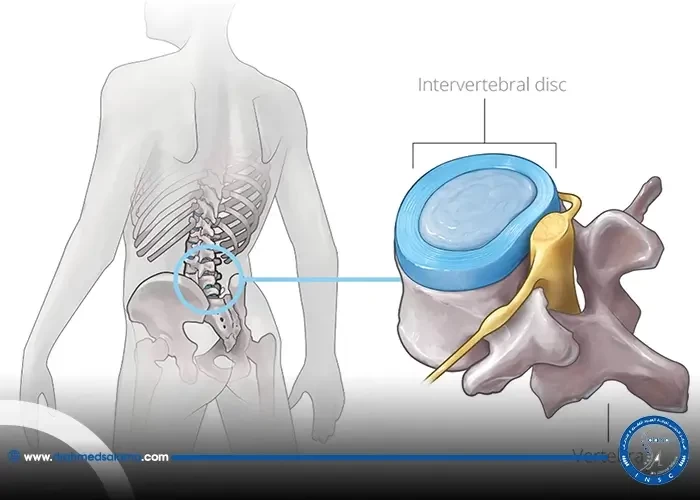
Herniated discs in the upper or cervical vertebrae, which put pressure on the nerves.
Fractures resulting from osteoporosis or aging.
Different types of arthritis or fibromyalgia.
Rare but serious causes include spinal infection, lung cancer, heart attack, or gallbladder inflammation.
Because dealing with these causes requires careful expertise and in-depth medical understanding, consulting Dr. Ahmed Ibrahim Salama gives you the opportunity to receive an accurate diagnosis and develop an effective treatment plan that will ensure you relieve upper back pain and restore your quality of life quickly and safely.
Symptoms of Upper Back Pain
Upper back pain is usually bothersome and affects your ability to move and perform daily tasks. It may sometimes indicate a health problem that requires urgent medical evaluation. It is important to pay attention to the symptoms accompanying upper back pain to determine the severity of the condition:
Severe or persistent pain in the upper back.
Numbness or tingling in the arms, legs, or buttocks.
Pressure or chest pain, accompanied by nausea or vomiting.
Confusion or difficulty speaking.
Cold sweats and rapid heartbeat.
Upper stomach pain or heartburn.
Neck stiffness with a high fever.
Pain that persists for more than a week without improvement.
Muscle spasms or unbearable pain.
The appearance of new, unexplained symptoms, such as weight loss or bowel or bladder problems.
Because early recognition of these symptoms is the most important step to avoiding complications, consulting a specialist like Dr. Ahmed Ibrahim Salama provides you with an accurate assessment and a comprehensive treatment plan aimed at relieving pain and restoring your mobility and ability to perform daily tasks with confidence and comfort.
Treatment of Upper Back Pain
Treatment of upper back pain depends on the severity of the symptoms and the cause of the upper back pain, whether it is simple or associated with a more complex condition. The goal is to relieve pain and improve mobility. Treatment methods include:
Conservative Treatment
Initially, some home methods can help relieve pain and improve mobility. These include modifying daily activities and avoiding strenuous movements, using warm or cold compresses, doing light exercises such as walking to maintain muscle flexibility and prevent stiffness, and avoiding prolonged bed rest.
Medication Treatment
In some cases, your doctor may prescribe medications that include pain relievers such as nonsteroidal anti-inflammatory drugs, muscle relaxants, or topical creams. In chronic cases, your doctor may suggest medications that target nerve pain or narcotic pain medications, but these should be taken with caution and under close medical supervision.
Non-Surgical Treatment
In cases that do not respond to conservative treatment and drug therapy, the doctor may recommend non-surgical treatment, which helps relieve pain and improve mobility while reducing the risks associated with surgery. The doctor can determine the appropriate approach based on the underlying cause of the back pain. These methods include:
Physiotherapy sessions to strengthen back muscles and improve posture.
Cortisone or local anesthetic injections to reduce inflammation directly at the nerve roots.
Radiofrequency therapy to deactivate the sensory portion of the nerves responsible for transmitting pain signals.
Electrical stimulation to effectively reduce pain without the need for surgery.
Surgical Treatment
When other treatment methods fail, the doctor resorts to surgery as a last resort. Surgical procedures include:
Discectomy in cases of herniated discs to relieve pressure on the nerves and improve mobility.
Vertebral fusion to stabilize the affected vertebrae and reduce pain resulting from abnormal movement.
Correction of structural deformities in cases of spinal deformities or vertebral fractures.
Because an accurate diagnosis and appropriate treatment choices make a significant difference in speed of recovery, consulting Dr. Ahmed Ibrahim Salama guarantees a personalized treatment plan to safely relieve your upper back pain and efficiently resume your daily activities.
Tips to Prevent Back Pain
Maintaining upper back health requires paying attention to daily movement and strengthening the muscles surrounding the spine. By following simple tips, you can reduce the chances of developing upper back pain and significantly improve your quality of life. These tips include:
Regular exercise, such as walking, cycling, and swimming, to improve back muscle strength and the ability to withstand stress without strain.
Strengthen your abdominal and back muscles with core-specific exercises to help support and stabilize the spine.
Maintain a healthy weight, as excess weight puts pressure on your back muscles, increasing the likelihood of pain.
Adopt proper posture when sitting and standing to maintain a straight back and distribute weight evenly across your feet. Use comfortable back supports when sitting for long periods.
Lift weights properly by bending your knees while maintaining a straight back, and lifting weights close to your body to reduce pressure on the spine.
Change your posture periodically and avoid sitting for long periods to relieve tension on your neck and upper back muscles.
Sleep healthily by using a comfortable pillow at an appropriate height to maintain neck and back alignment while sleeping.
Following these tips can help relieve upper back pain and maintain a healthy spine. However, they are not a substitute for specialized medical advice if the pain persists or becomes severe. Therefore, it is recommended to contact Dr. Ahmed Ibrahim Salama to assess your condition and develop an appropriate preventative and treatment plan.
The Best Doctor for Upper Back Pain in Egypt
Dr. Ahmed Ibrahim Salama is one of the most prominent specialists in treating upper back pain, thanks to his extensive experience in neurosurgery and spine surgery. Dr. Ahmed has comprehensive knowledge of the various causes of upper back pain, whether resulting from muscle strain, herniated discs, joint problems, or emergency cases that may require precise surgical intervention.
Dr. Ahmed Ibrahim Salama relies on the latest medical technologies for diagnosis and treatment, ranging from advanced clinical examinations, radiology and MRI, to developing individualized treatment plans that include conservative treatment, medications, physical therapy, advanced non-surgical techniques, or surgical procedures when necessary. He also places great emphasis on providing preventative advice to help patients strengthen their back muscles and improve their posture to reduce the risk of pain recurrence.
Through careful follow-up and ongoing assessment, Dr. Ahmed Ibrahim Salama ensures that each patient receives the appropriate treatment to restore mobility and a normal quality of life. This makes him the first choice for those suffering from upper back pain who seek reliable and effective medical advice.
In conclusion, upper back pain is a distressing experience that can impact your daily quality of life. However, with early diagnosis and appropriate treatment, pain can be relieved and mobility restored with ease. Therefore, be sure to consult Dr. Ahmed Ibrahim Salama, a consultant neurosurgeon and spine surgeon, for a thorough assessment and a comprehensive treatment plan that ensures your back is protected and your overall health is improved effectively and safely.
What does upper back pain indicate?
Upper back pain may indicate muscle strain or strain of the upper muscles and vertebrae. It may be related to poor sitting or sleeping positions, improper weight lifting, or overuse of the back muscles. In some cases, it may be caused by more complex conditions such as a herniated disc, arthritis, fibromyalgia, or a direct injury to the spine.
Is upper back pain related to the heart?
Upper back pain is not necessarily related to the heart, as the most common causes are muscle strain, poor sitting or sleeping positions, or problems with the vertebrae and muscles. However, in rare cases, the pain may be a sign of a heart problem, which requires immediate medical evaluation