Nasr City, 52 El Tayaran Street, in front of the Health Insurance Hospital

Success rate of herniated disc surgery
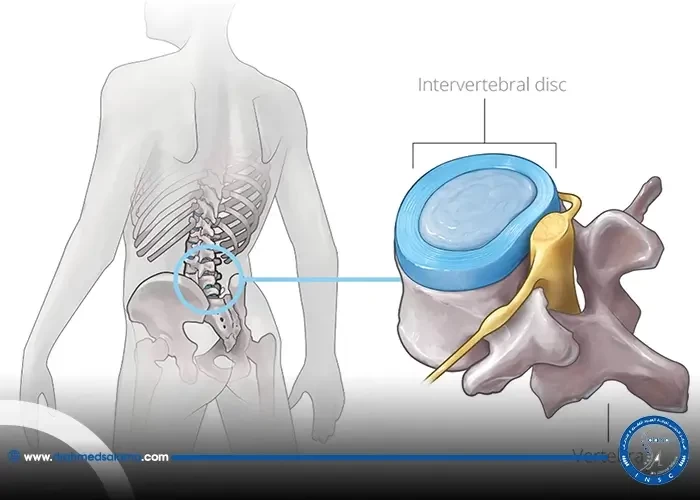
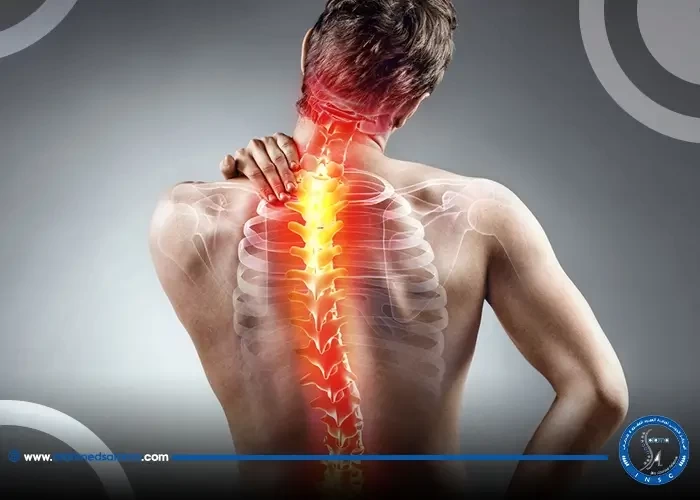
Herniated discs can be a painful and debilitating condition that affects many people around the world. It occurs when the soft gel-like material inside a spinal disc leaks out and presses against nearby nerves. This pressure can cause severe pain, numbness, or weakness in the affected area. With advancements in medical technology and treatments, the success rate for recovery from herniated discs has increased significantly over time. In this blog, we'll explore the success rate of recovering from a herniated disc, discuss common treatments available to those suffering from this condition, and offer tips on how to prevent future occurrences of disc herniation. So, let's dive into this topic and learn everything there is to know about herniated discs!
Long-term success rate for cervical disc herniation is 94%
It's promising to note that long-term success for cervical disc herniation surgery has a success rate of 94%. This is according to a study that collected data on surgical time, blood loss, length of hospital stay, and nature of complications. This success rate is significantly higher than back surgeries, which are estimated to have a 50% success rate. Another important point to keep in mind is that while some patients may experience recurring symptoms after surgery, this is not always the case. Additionally, laser spine surgery has a success rate of 95%! It's important to note, however, that few surgeries have a success rate above 90%. As artificial disc replacement technology continues to evolve, it will be interesting to see how this affects success rates. Lastly, it's worth noting that the percentage of spinal canal occupied by a herniated disc does not predict treatment success.
Herniation surgeries in the lower back also have a high success rate
As mentioned earlier, herniated discs are more common in the lower back and the good news is that surgeries to treat them have a high success rate. In fact, the success rate for surgeries for L4-L5 disc herniation is as high as 90%. Microdiscectomy spine surgery is also known to have high success rates, especially when it comes to relieving patients' leg pain. It's worth noting that back surgeries, in general, have an estimated success rate of around 50%, but there are still a few surgeries that have a success rate above 90%. However, it's also important to keep in mind that some patients may experience recurring symptoms after surgery. Nonetheless, the overall success rates for herniation surgeries in the lower back look quite promising.
Back surgeries have an estimated success rate of 50%
While it is true that the estimated success rate for back surgeries is around 50%, the success rate for microdiscectomy spine surgery and surgeries for cervical disc herniation are much higher. However, patients must also be aware that the success rate for any surgery depends on a variety of factors, including the quality of the surgeon and the specific condition being treated. Additionally, some patients may experience recurring symptoms after surgery. Despite these complications, there are still many options for those seeking relief from herniated discs, including artificial disc replacement technology, which is continually evolving. It is also essential to note that the percentage of spinal canal occupied by a herniated disc does not necessarily predict treatment success. Overall, while there is no guarantee of success, back surgery can be an effective way to alleviate pain and improve mobility for those struggling with disc herniation.
Microdiscectomy spine surgery has a high success rate
As mentioned in previous sections, back surgeries can have varying success rates. However, microdiscectomy spine surgery has been shown to have a high success rate, with some studies reporting success rates as high as 90%. This minimally invasive surgical procedure is often used to relieve pain caused by a herniated disc. Patients who have undergone microdiscectomy frequently report high satisfaction rates, even years after the procedure. While there are risks associated with any surgical procedure, microdiscectomy offers a promising option for those experiencing symptoms related to a herniated disc. It is important to note, however, that some patients may still experience recurring symptoms after surgery. Overall, the success rate of microdiscectomy is encouraging and offers hope to those seeking relief from spinal pain.
L4-L5 disc herniation surgery has a success rate of 90%
L4-L5 disc herniation surgery has a high success rate of 90%, which is fantastic news for those suffering from lower back pain. In addition, surgeries for herniated discs in the cervical region also boast a success rate of 94%. While back surgeries overall have an estimated success rate of 50%, microdiscectomy spine surgery and laser spine surgery have reported high success rates of relieving patients' leg pain and reducing symptoms. However, it's important to note that some patients may experience recurring symptoms after surgery, and the success rate for few surgeries exceeds 90%. Artificial disc replacement technology is constantly evolving, providing new options for those considering surgery. Interestingly, the percentage of spinal canal occupied by a herniated disc does not necessarily predict treatment success, underscoring the importance of discussing options with a medical professional.
Some patients may experience recurring symptoms after surgery
Despite the high success rates associated with herniated disc surgeries, some patients may still experience recurring symptoms after their procedure. This is more common in cases where a repeat intervention is required or if the patient was overweight at the time of surgery. Although back surgeries have an overall estimated success rate of 50%, microdiscectomy spine surgery and L4-L5 disc herniation surgery have success rates of 90% and above. Laser spine surgery has an even higher success rate of 95%. It's important to note that few surgeries have a success rate above 90%, and artificial disc replacement technology is constantly evolving. The percentage of spinal canal occupied by a herniated disc does not predict treatment success. Therefore, patients should discuss their individual case with their healthcare provider to determine the best course of action and potential for recurring symptoms.
Laser spine surgery has a 95% success rate
Laser spine surgery has become an increasingly popular and safe alternative to traditional spinal surgeries. Recent studies have shown that this type of surgery has a success rate of 95%, making it one of the most effective treatments for herniated discs. In fact, the Deuk Laser procedure is considered the safest and least invasive surgery in the world for treating C5-C6 disc herniation. While some patients may experience recurring symptoms after surgery, laser spine surgery has proven to be highly successful in relieving chronic back and leg pain associated with herniated discs. It is important to note that not all spinal surgeries have a success rate above 90%, highlighting the importance of seeking out the most advanced and effective treatments available. As artificial disc replacement technology continues to evolve, it is likely that even higher success rates will be achieved in the treatment of herniated discs.
Few surgeries have a success rate above 90%
It's important to note that few surgeries have a success rate above 90%. While microdiscectomy and L4-L5 disc herniation surgeries have high success rates, around 90%, back surgeries as a whole have an estimated success rate of 50%. It's also important to remember that while the majority of herniated disc surgeries are successful, there is always a risk of recurring symptoms. Patients should also be aware that artificial disc replacement technology is constantly evolving and may improve success rates in the future. Overall, anyone considering herniated disc surgery should discuss the risks and benefits with their doctor to make an informed decision.
Artificial disc replacement technology is constantly evolving
In recent years, artificial disc replacement technology has emerged as a surgical alternative to fusion. The success rate of this procedure is still being evaluated, but it is constantly evolving as new technology enters the market. While traditional surgeries for herniated discs have a high success rate, microdiscectomy spine surgery and laser spine surgery stand out with even higher success rates. As the evolution of artificial disc prostheses continues, we may see a dramatic improvement in treatment outcomes. It's important to note, however, that few surgeries can boast a success rate above 90%. Ultimately, the success of any herniated disc surgery will depend on factors unique to each patient. Therefore, it is important to discuss all treatment options with a qualified medical professional to determine the best course of action.
The percentage of spinal canal occupied by a herniated disc does not predict treatment success.
It's important to note that the percentage of the spinal canal occupied by a herniated disc cannot accurately predict the success of non-operative treatments or surgery. While there are high success rates for certain types of herniation surgeries, recurrence of symptoms after surgery is always a possibility. Additionally, the success rate for back surgeries, in general, is estimated to be around 50 percent. However, advancements in technology such as laser spine surgery and artificial disc replacement are constantly evolving, providing new options for those suffering from herniated discs. Ultimately, each patient's unique circumstances and symptoms should be taken into account when deciding on the best treatment plan.
Is it possible to recover from a herniated disc permanently?
Yes, a herniated disc can be completely cured through several methods, including endoscopic disc surgery or surgery. This varies depending on the patient's health condition.
When is a herniated disc dangerous?
A herniated disc is usually not dangerous to humans, but it can be dangerous if the condition develops and puts pressure on the nerves, as there may be a risk of paralysis.