Nasr City, 52 El Tayaran Street, in front of the Health Insurance Hospital

Is neurofibromatosis dangerous?

Is neurofibromatosis dangerous? This is a question frequently asked by patients and their families, given its impact on the body and general health. The tumor can appear in various forms that may affect the nerves, bones, and even sensory organs such as vision and hearing, making it essential to understand its risks and how to manage it in order to ensure the patient's health and quality of life.
In this article, we will clarify whether neurofibromatosis is dangerous, the causes of this condition, when symptoms of neurofibromatosis appear, the complications of each type (NF1 and NF2), its effects on nerves, bones, vision, and hearing, treatment methods for type one and type two neurofibromatosis, the importance of regular follow-up, the role of surgical intervention in minimizing risks, how to live with it safely, and finally, we will guide you to the best doctor for evaluating and treating neurofibromatosis in Egypt. Just keep reading to the end.
Is Neurofibromatosis Dangerous?
Neurofibromatosis is a genetic disorder that affects the nervous system. It may appear as tumors on the nerves or skin pigmentation, and can form as either a benign or malignant tumor — which is what prompts many patients to ask whether neurofibromatosis is dangerous. The answer largely depends on the type of tumor and how much it affects the nerves and vital organs of the body.
The tumors are usually benign; however, some cases may require close monitoring because they can affect vision or hearing, or cause deformities in the bones and spine. In very rare cases, they may transform into malignant tumors, making regular follow-up and necessary examinations essential for assessing tumor progression and taking appropriate action at the right time.
Therefore, if you are wondering whether neurofibromatosis is dangerous and need a precise treatment plan, you can contact us at the center of Dr. Ahmed Ibrahim Salama — a consultant in brain, nerve, and spine surgery — for a comprehensive evaluation, regular follow-up, and a personalized treatment plan to minimize long-term risks.
Causes of Neurofibromatosis
While discussing whether neurofibromatosis is dangerous, it is important to understand the causes of this condition, which arise from genetic factors that affect the growth of nerve cells — either through the transmission of a mutation from one of the parents, or through new mutations in the genes responsible for regulating cell growth. These mutations differ depending on the type of neurofibromatosis, leading to the development of tumors and symptoms specific to each type. The main causes include:
- Type 1 (NF1): A mutation in a gene on chromosome 17 leads to the loss of the neurofibromin protein, which is responsible for regulating cell growth.
- Type 2 (NF2): A mutation in a gene on chromosome 22 leads to the loss of the merlin protein, causing tumor growth on the nerves.
Understanding these causes helps in comprehending the nature of neurofibromatosis and determining the appropriate steps for medical follow-up and early intervention when needed.
When Do Symptoms of Neurofibromatosis Appear?
The symptoms of neurofibromatosis appear according to its type and the patient's age. Signs of the disease can be noticed as early as childhood in some cases, while other symptoms may appear later. This makes early recognition of these symptoms a necessary step for accurate medical follow-up, determining whether neurofibromatosis is dangerous, and avoiding potential complications. The most notable symptoms include:
First: Symptoms of Type 1 (NF1)
Type 1 neurofibromatosis usually begins in childhood and manifests as clear signs on the skin and nerves, sometimes affecting learning and physical development. The main symptoms include:
- Light brown spots on the skin (resembling café-au-lait spots)
- Freckles in the armpits or groin area
- Fibromas on or under the skin
- Bone deformities such as spinal curvature or bowed legs
- Learning difficulties or attention disorders (ADHD)
- A larger-than-average head size or short stature in some cases
Second: Symptoms of Type 2 (NF2)
Type 2 neurofibromatosis usually appears during adolescence or the early twenties, with non-cancerous tumors affecting the sensory, auditory, and visual nerves. The main symptoms include:
- Progressive hearing loss or ringing in the ears
- Balance problems during movement
- Weakness or numbness in the extremities
- Tumors on the cranial, peripheral, or optic nerves
- Cataracts in some cases
If you are experiencing any of these symptoms and wondering whether neurofibromatosis is dangerous, do not hesitate to address them early by contacting us at the center of Dr. Ahmed Ibrahim Salama — a consultant in brain, nerve, and spine surgery — where we provide accurate diagnosis and a safe, effective treatment plan with continuous follow-up to improve your quality of life.
When Does Neurofibromatosis Become Dangerous?
Continuing our discussion on whether neurofibromatosis is dangerous, you may wonder when exactly it becomes so. The condition becomes more dangerous when tumors affect vital nerves, cause bone deformities, affect senses such as vision and hearing, or transform into malignant tumors — making regular follow-up and early medical evaluation a necessary step to minimize complications. This can be explained as follows:
Pressure on Vital Nerves or the Brain Neurofibromatosis can grow on nerves close to the brain or spinal cord, causing pressure on vital nerves and potentially leading to muscle weakness, numbness, or difficulties in movement and sensation — requiring prompt medical evaluation to avoid serious neurological complications.
Risk of Transformation into a Malignant Tumor (Cancer) Although most neurofibromatosis tumors are benign, some cases of Type 1 (NF1) may transform into malignant tumors along the nerves. It also increases the risk of developing other types of cancer such as brain tumors or leukemia, making early detection and regular follow-up a necessary step to ensure safe recovery.
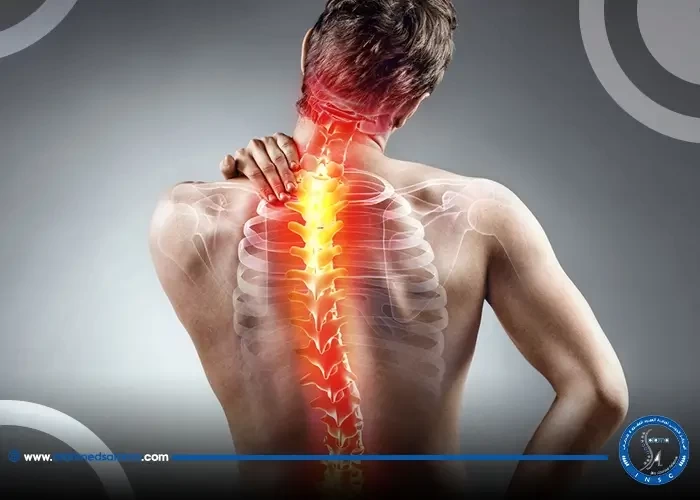
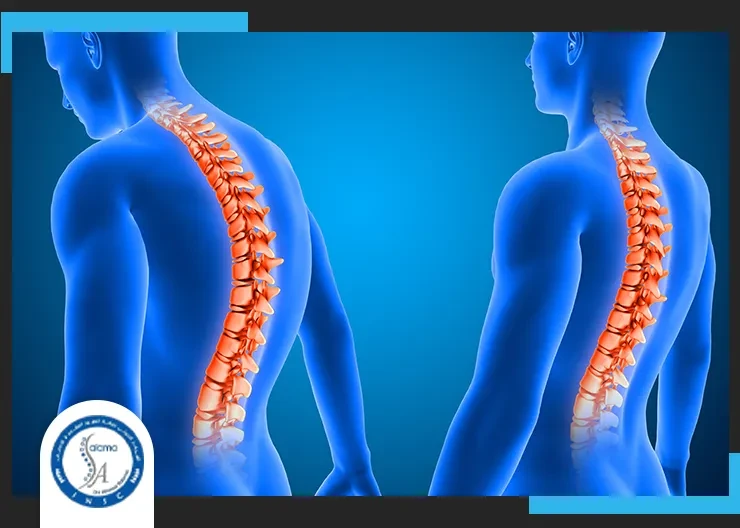
Effects on Bones and Spinal Deformities Neurofibromatosis may cause structural deformities such as spinal curvature (scoliosis) or bowed legs, in addition to reduced bone mineral density — increasing the risk of fractures and osteoporosis. Early intervention helps minimize the impact of these complications on mobility and quality of life.
Vision and Hearing Problems Tumors can grow on the optic or auditory nerves, causing weakened or lost vision, as well as progressive hearing loss and ringing in the ears. Regular and preventive examinations help detect these problems early and address them effectively before they worsen.
Are All Types of Neurofibromatosis Equally Dangerous?
In the context of clarifying whether neurofibromatosis is dangerous, it is important to note that its severity differs according to the intensity of symptoms. While some patients face minor complications and benign tumors, others may suffer from greater effects on the nerves and vital organs — making individual evaluation of each case essential to determine the level of risk and the appropriate treatment plan. The complications of each type can be outlined in detail as follows:
Complications and Risks of Type 1 (NF1)
Type 1 neurofibromatosis may lead to multiple complications over time, including:
- Learning difficulties and neurological problems such as epilepsy or hydrocephalus
- Bowed legs in children
- Bone deformities and spinal curvature (scoliosis)
- Visual problems that may lead to loss of sight
- Increase in neurofibromas with hormonal changes
- Cardiovascular disorders and high blood pressure
- Increased risk of other types of cancer such as breast cancer, leukemia, or brain tumors
Complications and Risks of Type 2 (NF2)
Type 2 is less common but may cause specific risks to the nervous system. Its complications include:
- Partial or complete hearing loss
- Facial nerve damage and weakness or numbness in the extremities
- Visual difficulties and sometimes cataracts
- Growth of benign brain tumors that may require repeated surgeries
To obtain a specialized consultation and determine whether neurofibromatosis is dangerous in your case, we invite you to contact us at the center of Dr. Ahmed Ibrahim Salama — a consultant in brain, nerve, and spine surgery — where we provide precise follow-up and an appropriate treatment plan to help improve your daily quality of life.
Treatment of Type 1 and Type 2 Neurofibromatosis
In discussing the answer to "Is neurofibromatosis dangerous?", treatment of type 1 and type 2 neurofibromatosis depends on monitoring complications and identifying the most appropriate medical intervention at the right time. Early diagnosis and regular follow-up contribute to reducing risks and improving quality of life for those affected. Treatment approaches differ according to the type, severity, and symptoms of the tumor, and the most important treatment options include:
Regular Medical Follow-Up Regular medical follow-up is a necessary step to evaluate the skin and detect tumors, monitor blood pressure, and track physical and mental growth and development — especially for children with Type 1 — as well as eye examinations and structural deformity checks to ensure early detection of any complications and to determine whether neurofibromatosis is dangerous and whether medical intervention is needed.
Drug Therapy The doctor may prescribe certain medications such as Selumetinib in some cases, especially for children, to control the growth of neurofibromas and alleviate associated symptoms, with the need for regular follow-up with the doctor to assess response and the effect of the medication.
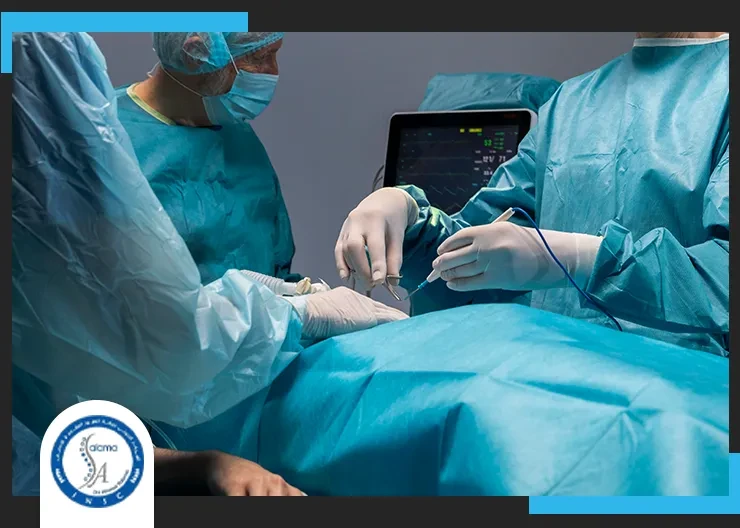
Surgery Surgery is a primary treatment option for type 1 or type 2 neurofibromatosis when tumors cause pressure on surrounding tissues or produce troublesome symptoms. It may be partial or complete surgery to preserve the functions of surrounding organs.
Radiosurgery (Stereotactic Radiosurgery) Radiosurgery is used especially for Type 2 to precisely direct radiation to the tumor site to reduce damage to surrounding nerves and preserve hearing function, with the need to monitor the risk of radiation exposure — especially when used at an early age.
Cosmetic and Laser Treatment Cosmetic and laser treatment focuses on removing superficial tumors on the skin and improving the external appearance, helping to reduce the psychological and social impact of the disease and boosting patients' self-confidence.
Cancer Treatment Malignant tumors or cancers associated with neurofibromatosis are treated using chemotherapy, surgery, or radiation therapy according to approved cancer protocols, with the aim of controlling the tumor and preventing its spread.
The choice of the appropriate treatment method depends on the doctor's evaluation of each case, taking into account age, tumor type, severity of symptoms, and whether neurofibromatosis is dangerous. Do not hesitate to contact us at the center of Dr. Ahmed Ibrahim Salama — a consultant in brain, nerve, and spine surgery — and let us provide you with precise follow-up and an integrated treatment plan that suits your condition, whether you are suffering from type 1 or type 2 neurofibromatosis.
How Can the Risk of Neurofibromatosis Be Reduced?
After discussing "Is neurofibromatosis dangerous?", the risk of neurofibromatosis can be reduced by following a comprehensive medical plan focused on regular follow-up, early detection of any changes in tumors, and surgical intervention when needed — helping to minimize complications and improve quality of life for those affected.
The Importance of Regular Follow-Up and Early Detection
Regular follow-up and early detection are a necessary step to discover any early changes in the tumor before it worsens. The most important aspects of their significance include:
- Discovering new tumors or changes in existing tumors before they cause complications
- Monitoring physical and cognitive growth and development in children, especially with Type 1 (NF1)
- Early detection of visual or hearing problems to prevent loss of sensory functions
- Monitoring blood pressure and cardiovascular health to reduce associated risks
- Evaluating internal tumors with imaging or MRI when needed for precise follow-up
The Role of Surgical Intervention in Preventing Serious Complications
Early surgical intervention can prevent the development of serious complications of neurofibromatosis, including:
- Removing tumors that press on nerves or vital organs
- Using radiosurgery (stereotactic radiosurgery) to preserve nerve and hearing functions, especially in Type 2 (NF2)
- Cosmetic intervention to remove skin tumors and improve the external appearance without affecting general health
- Reducing the risk of transformation into malignant tumors by removing any rapidly growing tumors and changes
Can You Live Safely with Neurofibromatosis?
After clarifying the answer to our article's question "Is neurofibromatosis dangerous?", you may wonder about living with this disease. It is indeed possible to live safely with neurofibromatosis when adhering to appropriate medical care and regular follow-up, along with some tips that help reduce risks and complications and improve quality of life for those affected. The most important tips include:
- Committing to medical appointments and periodic examinations to ensure follow-up of tumor development and early detection of any changes
- Following the doctor's instructions precisely regarding treatment, medications, and a healthy lifestyle
- Continuously caring for the affected child even when no obvious symptoms appear
- Joining support groups for parents and affected individuals to share experiences and advice on dealing with daily challenges
- Monitoring children's educational and behavioral development to address any learning or attention difficulties early on
Consult a Neurosurgery Expert to Evaluate and Treat Neurofibromatosis — Dr. Ahmed Ibrahim Salama
If you are wondering whether neurofibromatosis is dangerous and would like an accurate evaluation and a safe treatment plan, the center of Dr. Ahmed Ibrahim Salama offers advanced expertise in diagnosing and treating all types of neurofibromatosis, with continuous follow-up to ensure the best results. Our features include:
- Comprehensive and precise evaluation of each case to determine the level of risk and the appropriate treatment plan
- Specialized surgical expertise in all precise procedures for neurofibromas
- Adoption of the latest international surgical and therapeutic technologies
- High accuracy in diagnosis using advanced imaging and examination methods
- Skill in handling complex cases and nerve tumors in both children and adults
- Regular follow-up to minimize complications and improve quality of life
- Integrated services including medical examinations, surgical treatment, and cosmetic treatment when needed
- Personalized care with continuous support for patients and their families to ensure complete comfort and reassurance
In conclusion of our discussion on "Is neurofibromatosis dangerous?", early diagnosis and precise follow-up remain the fundamental pillars for preserving the health of those affected and improving their quality of life, with the necessity of relying on an experienced doctor and a trusted center to ensure a comprehensive evaluation and a safe treatment plan. For this reason, we invite you to contact us at the center of Dr. Ahmed Ibrahim Salama — a consultant in brain, nerve, and spine surgery — for a specialized consultation, continuous follow-up, and integrated care that helps you minimize risks and achieve the best long-term health outcomes.
Is it possible to cure neurofibromatosis?
Neurofibromatosis cannot be completely cured yet, as it is a chronic genetic condition, but symptoms can be controlled, quality of life improved, and complications avoided through regular medical follow-up, drug therapy, and surgical intervention when needed to remove tumors affecting the nerves and surrounding vital organs.
Does a fibroid disappear on its own?
Neurofibromatosis typically does not disappear on its own, as it continues to grow over time, especially during childhood. However, some tumors may remain stable for long periods without obvious symptoms, making regular monitoring and periodic checkups a necessary step to assess any changes and deal with them early.