Nasr City, 52 El Tayaran Street, in front of the Health Insurance Hospital

Neurofibromatosis

A neurofibroma may start with simple signs on the skin or nerves, but it is a genetic condition that requires precise understanding and specialized follow-up. Whether it's a superficial cutaneous neurofibroma or linked to deeper changes in the nerves, ignoring the initial symptoms can lead to complications affecting neurological functions and daily quality of life, especially since the severity of the condition varies from person to person.
In this article, we will cover the most important information about neurofibromatosis, starting from its causes, early and advanced symptoms, and its different types. We will also clarify the symptoms of neurofibromatosis in children, accurate diagnostic methods, the severity of the condition, and the latest treatment methods for neurofibromatosis type 1, type 2, and schwannomatosis, along with other important details. Finally, we will guide you to the best doctor for treating neurofibroma in Egypt. Just continue reading to the end.
Neurofibroma
A neurofibroma is one of the peripheral nerve sheath tumors that usually appears as a soft lump or mass on or just under the skin's surface. This tumor originates from the nerve sheath, the protective covering that surrounds the nerves, and can affect a major or minor nerve anywhere in the body.
In most cases, a neurofibroma is benign and localized within the nerve itself. Sometimes, it may grow on more than one nerve bundle, a condition known as a plexiform neurofibroma, which is a more complex form of the disease and requires careful monitoring.
The tumor may not cause obvious symptoms initially, but if it increases in size or presses on adjacent nerves, it can lead to pain, numbness, or weakness in the affected area. Although the possibility of it turning into a cancerous tumor is rare, it requires careful follow-up and examination by a specialized doctor to ensure peace of mind and determine a suitable plan for treating the cutaneous neurofibroma.
Therefore, if you notice any abnormal skin lumps or neurological symptoms, do not hesitate to contact us at Dr. Ahmed Ibrahim Salama's center—a consultant in neurosurgery and spinal surgery—for an accurate diagnosis and a suitable treatment plan for neurofibroma according to the latest medical standards.
Causes of Neurofibroma
A cutaneous neurofibroma may occur for no apparent reason or as a result of a genetic condition known as neurofibromatosis type 1 (NF1), often discovered between the ages of 20 and 30. The causes depend on genetic mutations or inheritance from a parent and vary by the type of tumor as follows:
In addition to these causes, some factors may increase the risk of developing a neurofibroma, including:
Therefore, it is important to follow up with a specialized doctor to perform the necessary tests and for early detection of any potential developments, ensuring safe and effective treatment for neurofibromatosis type 1, type 2, or schwannomatosis.
Types of Neurofibroma and Their Symptoms
The types of cutaneous neurofibroma vary in terms of where the tumors appear, the severity of symptoms, and the age at which signs begin to show. Each type has different characteristics and symptoms that help doctors diagnose and develop an appropriate treatment plan. This can be explained as follows:
Neurofibromatosis Type 1 (NF1) and Its Symptoms
Neurofibromatosis type 1 (NF1) is the most common type of neurofibromatosis. It usually begins in childhood and affects the skin and nerves, with the possibility of some neurological problems. The severity of symptoms can vary from person to person depending on the progression of the disease. Its most prominent symptoms include:
Neurofibromatosis Type 2 (NF2) and Its Symptoms
Neurofibromatosis type 2 (NF2) is less common and affects the nervous system, especially the nerves responsible for hearing and balance. It usually appears during adolescence or the early twenties. Its most prominent symptoms include:
Schwannomatosis
Schwannomatosis occurs rarely and usually appears after the age of 30. It is characterized by the growth of tumors on peripheral nerves throughout the body, with severe chronic pain in the affected area. Its symptoms include:
If you notice any similar symptoms and want an accurate evaluation and reliable diagnosis for any type of neurofibroma, do not hesitate to contact us at Dr. Ahmed Ibrahim Salama's center—a consultant in neurosurgery and spinal surgery—for a specialized consultation and a treatment plan suitable for your condition.
Symptoms of Neurofibromatosis in Children
Most children with neurofibromatosis have type 1 (NF1) and may not show any clear symptoms. However, some children may be born with a slight bowing of the lower leg bones. After about one year of age, light brown spots on the skin, known as "café-au-lait" spots, begin to appear in most cases. These spots are characterized by being darker than the surrounding skin and more than half a centimeter wide.
Some children may also experience delays in walking or talking, or delays in reaching various developmental milestones compared to their peers. Bumps on or under the skin called neurofibromas may also appear. The head size may be larger than usual, or the child may suffer from frequent headaches.
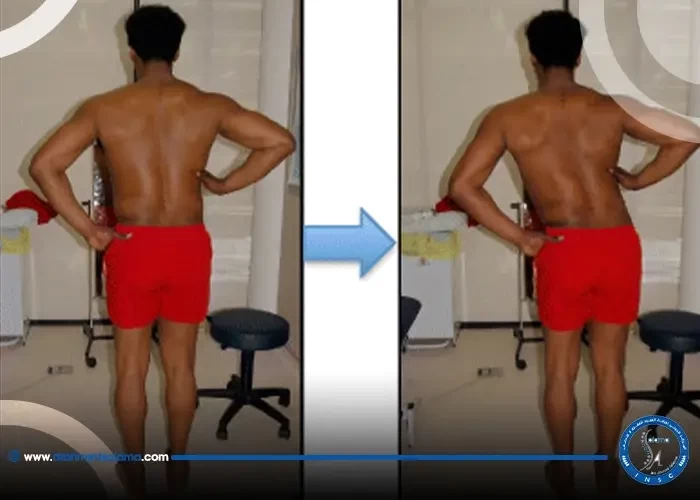
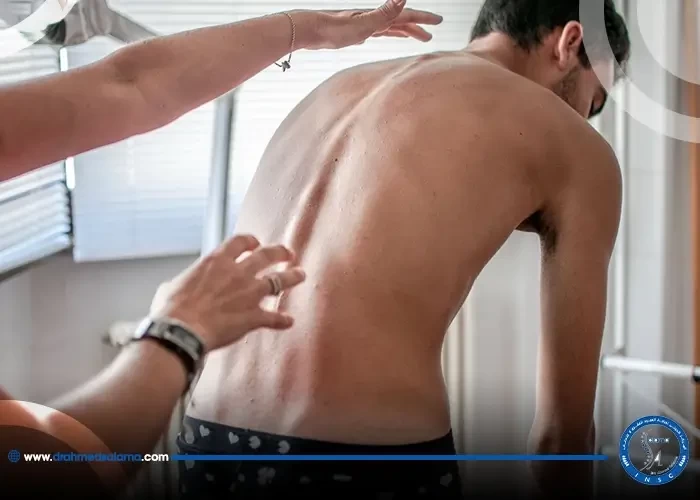
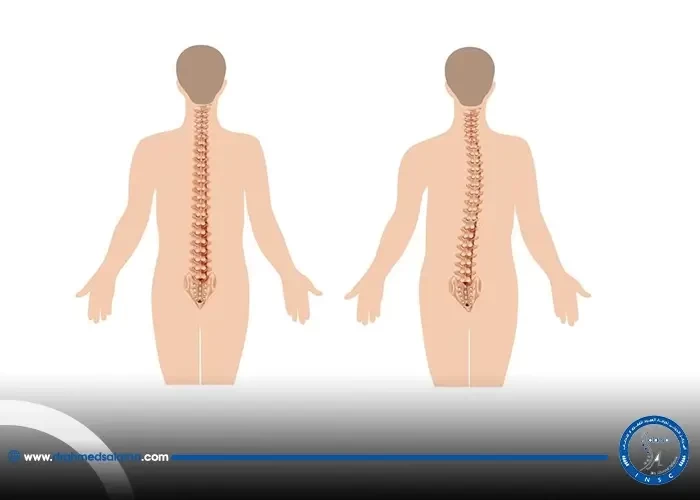
Other symptoms of neurofibromatosis in children include learning difficulties, attention-deficit/hyperactivity disorder (ADHD), relatively short stature, sideways curvature of the spine (scoliosis), weakness or thinning of the bones in the forearms or lower legs, and sometimes freckling in the armpits or groin area.
In some cases, neurofibromas can be painful or affect appearance. Very large tumors (plexiform neurofibromas) rarely turn into cancerous tumors. The severity of symptoms varies from child to child depending on the progression of the disease.
To monitor your child's condition and accurately diagnose the symptoms, do not hesitate to contact us at Dr. Ahmed Ibrahim Salama's center—a consultant in neurosurgery and spinal surgery. We provide specialized care for children and adults, with high expertise in effectively managing simple and complex cases of neurofibroma and developing a safe treatment plan for each case.
How Is Neurofibroma Diagnosed Accurately?
Diagnosing neurofibroma is a crucial step to determine the specific type and develop a precise treatment plan. It relies on a combination of clinical examination and advanced tests to confirm the diagnosis and determine the extent of the tumor's impact on nerves and surrounding tissues. The main diagnostic methods include:
Clinical and Genetic Examination
Diagnosis usually begins with a review of the medical history to detect hereditary cases of neurofibromatosis, in addition to a physical examination to identify the symptoms of each type. The doctor may use a special lamp to examine the skin for café-au-lait spots or neurofibromas, and an eye exam to detect Lisch nodules or cataracts, along with hearing and balance tests to assess the function of the auditory nerves, especially in NF2. Genetic testing can also be used to confirm the diagnosis before or after birth and to accurately determine the type of tumor.
The Role of Diagnostic Imaging (MRI)
Diagnostic imaging techniques, especially Magnetic Resonance Imaging (MRI), play a fundamental role in determining the location of the neurofibroma, measuring its size, and clarifying its effect on nerves and surrounding tissues. It also helps in detecting very small tumors with high accuracy.
For an accurate assessment and a comprehensive plan, you can contact us at Dr. Ahmed Ibrahim Salama's center—a consultant in neurosurgery and spinal surgery—where we rely on the latest diagnostic technologies to ensure precise tumor localization and develop the best treatment plan for each case.
Is Neurofibroma Dangerous?
Neurofibroma is often benign and not life-threatening, but it can affect nerves or vital organs. Some patients may face problems with hearing, vision, or deformities in the bones and spine, so some cases require careful medical follow-up. Also, in very rare cases, some tumors can turn into malignant tumors, making regular check-ups and periodic monitoring essential to assess the tumor's development and take appropriate medical intervention in a timely manner.
Available Treatment Methods for Neurofibroma
Treating neurofibroma is an essential step to preserve the health of nerves and surrounding tissues. The approach depends on assessing the condition, the severity of symptoms, and the extent of the tumor's impact on surrounding tissues and nerves to determine an appropriate treatment plan and reduce complications. Available treatment methods for cutaneous neurofibroma include:
Periodic Follow-up and Monitoring for Stable Cases
In many cases, small tumors that do not cause symptoms do not require immediate treatment, and the doctor may simply monitor them periodically. This includes:
Microscopic Surgical Resection of Neurofibroma
Microscopic surgical intervention is one of the most important options for treating neurofibromas that cause pressure on nerves or surrounding tissues, or those that affect vital functions and cause severe pain. The goal is to remove as much of the tumor as possible while preserving the integrity of the nerves and surrounding tissues. Microscopic surgical treatment includes:
Adjuvant Therapies (Radiation and Drug Therapy)
Adjuvant therapies play an important role in managing neurofibroma, especially in cases where surgical resection is difficult or where symptom and complication control is required. These therapies include:
To receive the best care and an accurate diagnosis for neurofibroma cases, you can contact us at Dr. Ahmed Ibrahim Salama's center—a consultant in neurosurgery, brain tumors, and spinal surgery. We are keen to accurately assess the condition and develop a suitable treatment plan to ensure the best results for each patient and reduce potential complications.
Can Neurofibroma Be Cured?
Neurofibroma cannot be completely cured to date, as it is a chronic genetic condition. However, symptoms can be largely controlled, especially with early detection. This depends on the type, location, and growth rate of the tumor. Treatment for cutaneous neurofibroma usually relies on regular medical follow-up, drug therapy, and microscopic surgical intervention when needed to remove tumors affecting nerves and surrounding vital organs, which helps improve quality of life.
Does a Neurofibroma Turn into a Malignant Tumor?
In most cases, neurofibromas are benign tumors and do not pose a significant risk to the patient's life. However, there are rare cases where some tumors can turn into malignant tumors. This transformation often occurs in plexiform or large tumors that grow on multiple nerves, where a loss of control over cell growth can lead to the formation of cancer cells.
Therefore, it is important to monitor any changes in a neurofibroma periodically, especially if symptoms such as increased pain, rapid growth in tumor size, or a change in the color or texture of the surrounding skin appear. Some people may also face complications related to adjacent nerves, which requires prompt medical intervention to avoid any long-term effects on nerves or vital organs.
The Best Doctor Specializing in Neurofibroma Resection Surgeries - Dr. Ahmed Salama
If you are looking for an accurate assessment and a safe treatment plan for a neurofibroma, we offer you advanced expertise in diagnosing all types of neurofibromas at Dr. Ahmed Ibrahim Salama's center. We are distinguished by providing comprehensive care focused on patient safety and improving quality of life.
Dr. Ahmed Salama has specialized surgical experience in handling all delicate procedures for neurofibromas, including complex tumors in children and adults. He relies on the latest global surgical and therapeutic technologies to ensure the highest levels of precision and safety during treatment.
At our center, we also pay special attention to accurate diagnosis using the latest imaging and advanced testing methods to ensure a comprehensive treatment plan tailored to each patient's individual condition. Additionally, we are committed to providing continuous care and support for patients and their families, creating a comfortable and trustworthy medical environment that makes Dr. Ahmed Ibrahim Salama's center the optimal choice for those seeking safe and effective treatment for neurofibroma.
In conclusion, neurofibroma is a condition that requires careful monitoring and specialized care to ensure symptom control and reduce potential risks, both in children and adults. Through early diagnosis, periodic check-ups, and individualized treatment plans, quality of life can be significantly improved.
To ensure you receive a comprehensive assessment and a safe, integrated treatment plan, do not hesitate to contact us at Dr. Ahmed Ibrahim Salama's center—a consultant in neurosurgery and spinal surgery. We will provide you with specialized care and continuous support for every patient to achieve the best results using the latest technologies.
Can a neurofibroma be treated?
Yes, neurofibromatosis can be treated by monitoring the condition periodically, using drug therapy to shrink tumors when needed, or microsurgical intervention to remove tumors that are pressing on nerves or vital organs, with the possibility of resorting to radiation therapy in some cases, all with the aim of controlling symptoms and improving quality of life, while reducing possible complications.
What are the symptoms of fibromyalgia?
The symptoms of fibromyalgia vary from person to person depending on the size and location of the tumor and its impact on surrounding nerves. They often include a sharp or throbbing pain in the affected area, which may be accompanied by numbness, tingling, or weakness in nearby muscles. In some cases, the pain is chronic and worsens when pressure is applied to the tumor or with movement, which can limit daily activities and affect quality of life.