Nasr City, 52 El Tayaran Street, in front of the Health Insurance Hospital

Endoscopic neck disc surgery

Are you suffering from persistent neck pain radiating to your shoulder or arm, or feeling numbness and weakness in movement that affects your work and daily activities? These symptoms may start off simple, but in some cases, they are the result of a cervical herniated disc pressing on the nerves and gradually affecting mobility and quality of life.
With advancements in spine surgery, endoscopic cervical disc surgery has become one of the modern solutions that help relieve pressure on the nerves through a minimally invasive intervention, helping reduce pain, accelerate recovery, and allow a return to normal life in a shorter period.
In this article, you will learn everything related to endoscopic cervical disc surgery, when it is suitable, the steps of the procedure, success rates, and its cost in Egypt, along with post-operative tips to enhance recovery. Read on to discover all the details.
Endoscopic Cervical Disc Surgery in Egypt: When Is It Suitable?
Endoscopic cervical disc surgery in Egypt is one of the modern surgical techniques used to relieve pressure on the nerves or spinal cord resulting from cervical disc herniation. It relies on small surgical incisions and precise instruments that help minimize the impact on surrounding tissues and accelerate recovery compared to traditional open surgeries.
However, a diagnosis of cervical disc herniation does not mean that surgery is always the first solution, as the treatment method varies from one patient to another depending on the degree of nerve compression, symptom severity, and their impact on daily life. Therefore, choosing the appropriate intervention depends on an accurate assessment of the condition rather than the presence of pain alone.
Some studies published on NCBI indicate that 85% to 90% of cases with herniated discs may not require surgical intervention, and conservative treatment—such as medications, physical therapy, and lifestyle modifications—is sufficient to improve and control symptoms.
As for endoscopic cervical disc surgery in Egypt, it is suitable in the presence of:
-
Persistent neck pain radiating to the shoulder or arm that does not improve with medication and physical therapy.
-
Recurrent numbness or tingling in the arms or hands resulting from nerve compression.
-
Noticeable muscle weakness in the arm or hand that hinders performing daily activities normally.
-
Clear compression on the spinal cord or nerves confirmed by X-rays and diagnostic tests.
-
Gradually worsening symptoms or an increasing impact on mobility and daily living.
Because the decision to undergo endoscopic cervical disc surgery depends on an accurate diagnosis, book your consultation with us at the center of Prof. Dr. Ahmed Ibrahim Salama—Consultant Neurosurgeon and Spine Surgeon, Fellow of the Scoliosis Research Society (SRS - USA), and Member of the Egyptian and European Societies of Neurological Surgeons—for a comprehensive evaluation and to determine the appropriate treatment using the latest techniques.
What Is a Cervical Disc and What Are the Causes of Cervical Disc Herniation?
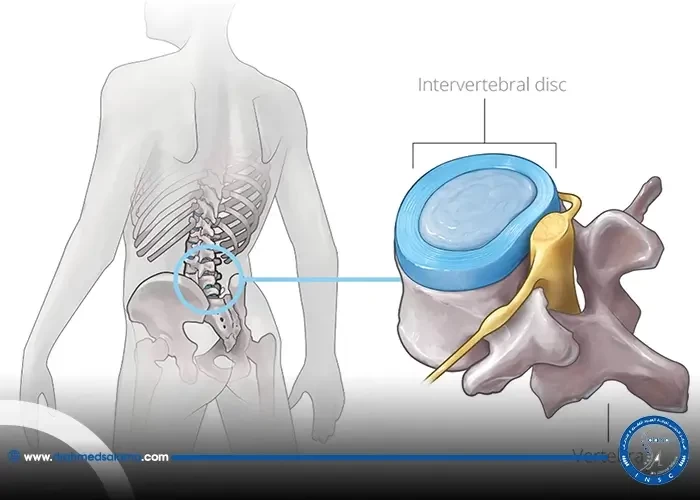
The cervical disc is a flexible pad located between the vertebrae of the cervical spine. Its function is to absorb shocks and reduce friction between vertebrae, in addition to supporting neck movement and providing flexibility and stability during daily motion. This disc consists of an inner gel-like substance surrounded by a strong outer layer that maintains its shape and normal function.
When the outer layer of the disc weakens or wears down, part of the inner material may displace from its natural position and press on the nerves or spinal cord—a condition known as cervical disc herniation, which can lead to symptoms such as neck pain, numbness, and motor weakness. In some advanced cases, endoscopic cervical disc surgery becomes one of the appropriate treatment options to relieve nerve pressure.
As for the causes of cervical disc herniation and its risk factors, they typically include:
-
Aging and the natural loss of flexibility in disc pads.
-
Sitting for long periods in incorrect postures in front of computers or phones.
-
Sudden or repetitive neck movements.
-
Exposure to direct injuries or accidents in the neck area.
-
Repeatedly lifting heavy loads.
-
Genetic factors or a family history of the condition.
-
Continuous strain on the neck due to work nature or daily activities.
Early detection helps increase treatment opportunities and reduce symptom progression.
Cervical Disc Symptoms That May Require Surgical Intervention
Cervical disc symptoms vary depending on the severity of the herniation and the site of pressure on the nerves or spinal cord. Symptoms that may indicate the need for surgical evaluation include:
-
Severe neck pain extending to the shoulder, arm, or fingers.
-
Recurrent numbness and tingling in the hand or arm.
-
Weakness in hand or arm muscle strength, making it difficult to hold objects.
-
Difficulty controlling fine hand movements, such as writing or buttoning clothes.
-
Balance disturbances or difficulty walking in cases of severe spinal cord compression.
-
Lack of response to conservative treatments after adhering to them for a sufficient period.
Steps of Endoscopic Cervical Disc Surgery Simplified
Endoscopic cervical disc surgery is performed through precise, organized steps to ensure safety and accurate execution:
1. Anesthesia and Access to the Disc
The patient is given appropriate anesthesia (general or local based on the surgical plan), followed by a tiny incision (less than 1 cm) in the neck area to insert the endoscope and surgical instruments.
2. Relieving Pressure on the Nerves
Using precise endoscopic vision, the surgeon identifies the damaged part of the disc pressing on the nerve root or spinal cord and removes it carefully without affecting surrounding healthy tissues. Depending on the patient's condition, this step may be performed as a standalone endoscopic decompression or combined with procedures like cartilage removal and stabilization of vertebrae.
3. Vertebral Monitoring After the Procedure
The surgeon ensures complete decompression of the nerve, verifies tissue stability, and then closes the small incision with simple cosmetic sutures.
Advantages of Endoscopic Cervical Disc Surgery Compared to Traditional Surgery
Endoscopic cervical disc surgery offers several benefits compared to traditional cartilage removal techniques and open surgeries, including:
-
Smaller Surgical Incision: Leaves minimal cosmetic tracing and reduces wound pain.
-
Preservation of Surrounding Tissues: Minimizes muscle cutting and tissue trauma.
-
Reduced Blood Loss: Due to high precision and small incision size.
-
Faster Recovery Period: Allows the patient to return to daily activities in less time.
-
Shorter Hospital Stay: Most patients can leave the hospital on the same day or within 24 hours.
-
Lower Risk of Post-Operative Complications: Such as wound infection or severe tissue scarring.
How Long Does Endoscopic Cervical Disc Surgery Take and What Is the Hospital Stay?
-
Procedure Duration: Typically takes between 45 to 90 minutes, depending on the number of affected disc levels and case complexity.
-
Hospital Stay: Most patients can leave the hospital on the same day or within 24 hours after verifying their health stability.
-
Return to Daily Activities: Light activities can usually be resumed within 1 to 2 weeks, while complete recovery and return to full work depend on adherence to post-op instructions.
Success Rate of Endoscopic Cervical Disc Surgery and Influencing Factors
The success rate of endoscopic cervical disc surgery reaches up to 90% to 95% in relieving nerve pain, numbness, and restoring normal movement. These high rates depend on several key factors:
-
Accurate Diagnosis and Proper Case Selection: Ensuring the endoscopic technique is the most suitable option for the condition.
-
Surgeon's Skill and Expertise: Proficiency in endoscopic techniques and delicate spine procedures.
-
Condition of the Nerves Before Surgery: Performing the procedure before permanent nerve damage occurs.
-
Patient's Adherence to Post-Op Instructions: Including rest, physical therapy, and avoiding heavy strain.
Cost of Endoscopic Cervical Disc Surgery in Egypt and Determining Factors
The cost of endoscopic cervical disc surgery in Egypt varies from one patient to another based on several factors:
-
Type of Endoscopic Equipment and Technology Used.
-
Number of Disc Levels Requiring Intervention.
-
Hospital Category and Level of Care Provided.
-
Expertise and Reputation of the Operating Neurosurgeon.
-
Pre-operative Scans, Tests, and Post-operative Care.
My Experience with Endoscopic Cervical Disc Surgery
Many patients report significant improvement in pain and numbness after undergoing endoscopic cervical disc surgery, emphasizing that quick recovery and returning home shortly after the procedure were among the most prominent advantages compared to open surgery expectations.
Post-Operative Tips for Endoscopic Cervical Disc Surgery
To ensure optimal recovery and prevent complications, it is recommended to:
-
Adhere to wearing the medical neck collar if instructed by the surgeon.
-
Avoid sudden neck movements or sharp bending.
-
Refrain from lifting heavy objects or strenuous physical exertion for several weeks.
-
Keep the surgical wound clean and dry.
-
Follow physical therapy instructions when prescribed to strengthen neck muscles safely.
Book Your Evaluation with Prof. Dr. Ahmed Ibrahim Salama for Endoscopic Cervical Disc Surgery
Choosing the right surgeon is the most important step to ensure a safe procedure and optimal results.
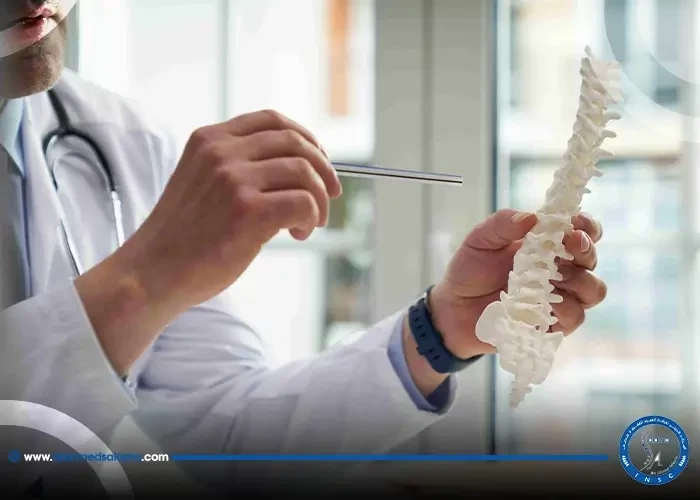
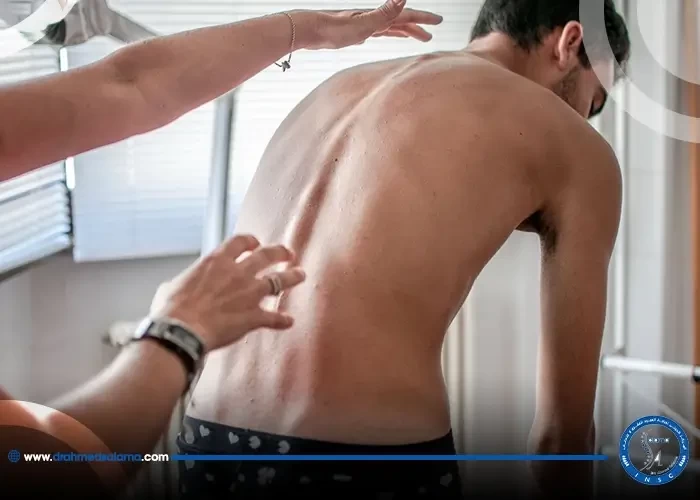
Prof. Dr. Ahmed Ibrahim Salama—Consultant Neurosurgeon and Spine Surgeon, Fellow of the Scoliosis Research Society (SRS - USA), and Member of the Egyptian and European Societies of Neurological Surgeons—provides comprehensive evaluation using clinical examinations and advanced diagnostic imaging to determine whether endoscopic surgery is the best choice for your condition.
Finally, endoscopic cervical disc surgery represents an advanced, minimally invasive option to relieve nerve pressure while preserving surrounding tissues as much as possible, restoring movement capacity with better outcomes compared to traditional methods—especially when performed by an experienced surgeon.
To ensure choosing the right treatment decision for your condition, book your evaluation at the center of Prof. Dr. Ahmed Ibrahim Salama to receive an accurate diagnosis and determine the most suitable option using the latest spine surgery techniques to restore your normal life safely and comfortably. For more educational resources and medical guides, feel free to browse Dr. Ahmed Salama Blogs.
Frequently Asked Questions After Endoscopic Cervical Disc Surgery
Will the patient return to normal life?
Yes, in most cases, symptoms gradually improve after surgery, and the patient returns to practicing their normal life almost completely during the recovery period, especially with adherence to instructions and physical therapy.
What are the complications of cervical disc surgery?
Complications of endoscopic cervical disc surgery may include rare instances of mild persistent pain or temporary numbness, neck stiffness, wound infection, or symptom recurrence. These complications are minimized with proper surgeon selection and surgical precision.
Is cervical disc surgery dangerous?
No, cervical disc surgery is not inherently dangerous, especially when performed using modern techniques such as endoscopy and by a specialized spine surgeon like Dr. Ahmed Salama, where it is considered a successful procedure. However, like any surgical procedure, it carries minor risks that are avoided through accurate diagnosis, proper technique selection, and adherence to post-operative instructions.