Nasr City, 52 El Tayaran Street, in front of the Health Insurance Hospital

Is neck cartilage surgery dangerous?

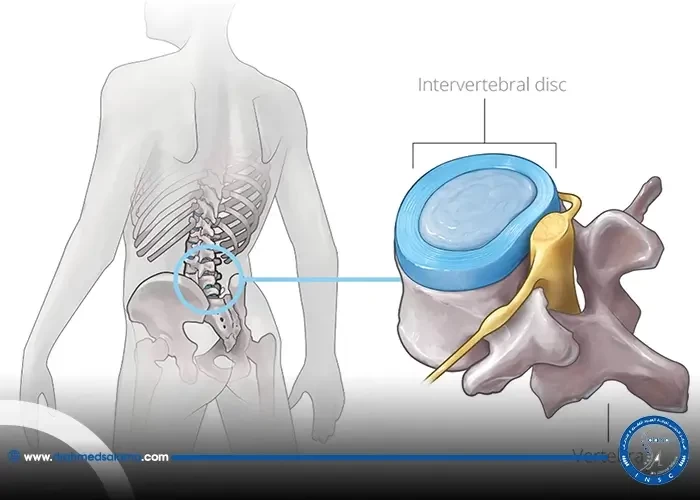
Persistent neck pain radiating to the shoulder or arm may be more than just muscle strain or poor sitting posture, especially when accompanied by recurrent numbness, weakness in movement, and difficulty performing daily activities. At this point, real concern often begins with the question that occupies many patients' minds: Is cervical disc surgery dangerous?
In fact, fear and hesitation surrounding spine surgeries often stem from the sensitive nature of this region and its proximity to nerves and the spinal cord. However, with major advancements in spine surgery and the adoption of modern, precise techniques such as endoscopy and microscopy, this procedure has become far more accurate and safe compared to the past.
In this article, we will clarify whether cervical disc surgery is truly dangerous or safe in most cases, when it becomes necessary, the types of operations and techniques used, success rates, recovery timelines, essential post-operative care tips, factors affecting cost, and all the details to help put your mind at ease.
Is Cervical Disc Surgery Dangerous or Safe in Most Cases?
Many patients associate any surgery on the cervical spine with high risk, out of fear of affecting nerves or mobility. In reality, the answer to the question "Is cervical disc surgery dangerous?" cannot be generalized to everyone; it varies depending on the severity of the herniation and the degree of nerve or spinal cord compression.
In the vast majority of cases, cervical disc surgery is considered a safe procedure—especially when performed at the right time using modern techniques that enhance surgical precision while minimizing stress on surrounding tissues. This, in turn, reflects positively by reducing complications and improving treatment outcomes.
Furthermore, delaying surgical intervention in advanced cases can carry greater risks than the surgery itself, particularly if persistent nerve compression leads to progressive muscle weakness or worsening symptoms over time.
At the center of Prof. Dr. Ahmed Ibrahim Salama—Consultant Neurosurgeon and Spine Surgeon, Fellow of the Scoliosis Research Society (SRS - USA), and Member of the Egyptian and European Societies of Neurological Surgeons—we conduct a careful evaluation of every case prior to making a surgical decision. This allows us to determine the actual need for surgery and select the most appropriate technique to achieve optimal results with maximum accuracy and safety.
If you are still asking yourself: Is cervical disc surgery dangerous?, do not let anxiety or inaccurate information guide your medical decision. Contact us at Dr. Ahmed Ibrahim Salama Center for a comprehensive evaluation and a personalized treatment plan tailored to your condition.
When Does a Cervical Disc Require Surgery?
A diagnosis of cervical disc herniation does not necessarily mean that surgery is the first or only option. According to review studies published on NCBI, a large percentage of cervical herniated disc cases improve through conservative treatment without the need for surgical intervention.
However, surgery becomes necessary when nerve or spinal cord compression is persistent and significantly impacts mobility and daily life. Key indications for surgical intervention include:
-
Persistent Neck Pain: Severe pain radiating to the shoulder or arm that fails to respond to conservative treatment.
-
Recurrent Numbness and Tingling: Sensations in the arms or hands resulting from nerve root compression.
-
Noticeable Muscle Weakness: Reduced strength in the arm or hand that hinders performance of daily activities.
-
Spinal Cord or Nerve Compression: Documented via detailed diagnostic scans and imaging.
-
Progressive Worsening of Symptoms: Increasing difficulty with movement, fine hand coordination, or balance.
-
Lack of Response to Conservative Care: No improvement after adhering to medications and physical therapy for the period specified by the specialist.
Ultimately, the decision does not depend solely on pain intensity, but on accurate diagnosis and the extent to which nerve function and movement are affected.
Types of Cervical Disc Surgeries and Techniques Used
Cervical disc surgery techniques vary depending on the location of the herniation, the number of affected vertebrae, and the degree of compression on the nerves or spinal cord:
-
Anterior Cervical Discectomy and Fusion (ACDF): The most common technique, where the damaged disc is removed to relieve nerve pressure, followed by placing a bone graft or surgical cage to fuse the two vertebrae.
-
Artificial Disc Replacement (Cervical Disc Arthroplasty): An option aimed at preserving natural neck flexibility and mobility instead of fusion, used in specific cases.
-
Posterior Cervical Discectomy: Used when the herniation is distinctly lateral and compressing a specific nerve root.
Endoscopic or Microscopic Cervical Disc Surgery
Microscopic and endoscopic techniques are among the latest developments in this field, allowing the surgeon precise visualization of nerves and tissues through tiny incisions. This reduces bleeding, minimizes wound pain, and accelerates the recovery period.
Spinal Fusion vs. Disc Replacement Based on Condition
The most suitable technique is selected based on the patient's age, the condition of the vertebrae, and the stability of the cervical spine.
Potential Complications of Cervical Disc Surgery and How They Are Minimized
Like any surgical procedure, cervical disc surgery involves some potential complications, though they are rare when performed by a specialized surgeon in equipped facilities:
-
Infection or Wound Inflammation: Reduced using sterile standards and prophylactic antibiotics.
-
Temporary Hoarseness or Difficulty Swallowing: Caused by the proximity of the anterior surgical pathway to the vocal cords and esophagus, which usually subsides gradually.
-
Cerebrospinal Fluid (CSF) Leak: Requires careful handling during surgery.
-
Non-Union of Vertebral Fusion: A rare condition that may require follow-up or re-evaluation.
-
Spinal Cord or Nerve Compression / Injury: The incidence is extremely low with the use of microscopes and intraoperative neuro-monitoring devices.
Success Rate of Cervical Disc Surgery and Influencing Factors
The success rate of cervical disc surgery ranges between 85% and 95% in relieving arm pain, numbness, and nerve pressure. These high rates depend on several key factors:
-
Accurate Diagnosis and Proper Timing: Performing the surgery before permanent nerve damage occurs.
-
Surgeon's Expertise and Skill: Applying modern techniques with high precision.
-
Patient's Adherence to Post-Operative Instructions: And following physical therapy sessions when needed.
-
General Health of the Patient: The presence of chronic conditions such as diabetes or smoking, which can affect bone healing.
How Long Does Cervical Disc Surgery Take and What Is the Recovery Period?
-
Surgical Duration: The procedure typically takes between 1 to 2 hours per disc level.
-
Hospital Stay: Most patients leave the hospital within 24 to 48 hours.
-
Return to Light Activities: Basic daily activities and walking can be resumed within 1 to 2 weeks.
-
Full Recovery: Usually takes 4 to 8 weeks to fully return to work and normal activities, while avoiding heavy lifting.
Physical Therapy After Cervical Disc Surgery: Is It Necessary?
Yes, physical therapy is an important part of the recovery phase in many cases, as it helps to:
-
Strengthen neck and shoulder muscles and maintain their flexibility.
-
Improve range of motion and restore proper posture alignment.
-
Accelerate a safe return to daily activities and reduce chances of stiffness or muscle pain.
Post-Operative Tips for Cervical Disc Surgery to Reduce Risks
To ensure a fast, safe recovery and prevent complications, the following guidelines are recommended:
-
Adhere to wearing the medical neck collar for the duration specified by the doctor.
-
Avoid sharp neck bending or sudden turning movements.
-
Refrain from lifting heavy objects or engaging in strenuous sports for several weeks.
-
Keep the wound clean and dry, following dressing change instructions strictly.
-
Quit smoking, as it negatively impacts vertebral fusion and wound healing.
Cost of Cervical Disc Surgery in Egypt and Determining Factors
The cost of cervical disc surgery varies from one case to another based on the following factors:
-
Type of Technique Used: (Traditional surgery, microscope, endoscope, or artificial disc replacement).
-
Number of Affected Disc Levels: And whether spinal fusion is required.
-
Hospital Grade and Facilities: Intensive care level and length of stay.
-
Expertise of the Surgeon and Assisting Medical Team.
Consult Prof. Dr. Ahmed Ibrahim Salama to Evaluate Cervical Disc Surgery Risks Before Deciding
When considering spine surgery, choosing the right surgeon with extensive expertise is the first step toward eliminating fear and achieving optimal outcomes.
Prof. Dr. Ahmed Ibrahim Salama possesses broad expertise in endoscopic and minimally invasive spine surgeries. He prioritizes conducting a thorough, comprehensive evaluation using clinical examination and diagnostic imaging to determine the most suitable intervention accurately and safely.
How to Choose the Right Doctor Before Cervical Disc Surgery?
-
Confirming expertise and specialization in precise spine surgeries and endoscopy.
-
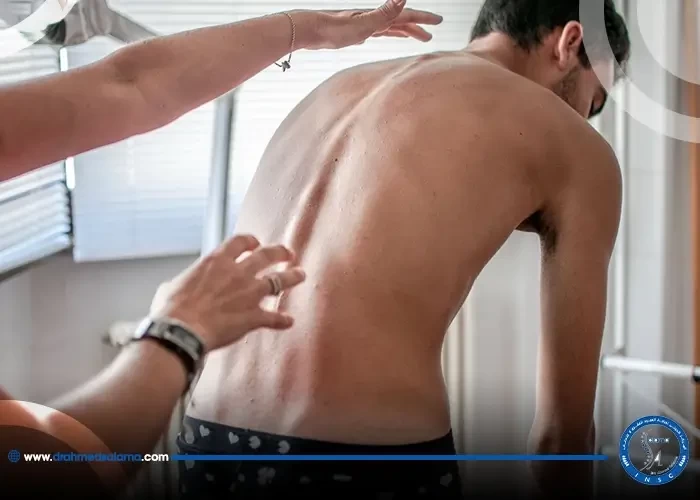
Conducting clinical evaluations and comprehensive scans to verify the surgical indication.
-
Providing continuous post-operative follow-up to monitor recovery and outcomes.
-
Having an equipped medical center with the latest diagnostic and surgical equipment.
Looking at these standards, you will find them combined at the center of Prof. Dr. Ahmed Ibrahim Salama to provide an accurate diagnosis and an integrated treatment plan that helps you make the right decision.
What are the complications of untreated cervical disc herniation?
Neglecting advanced cervical disc herniation treatment can lead to permanent nerve damage, persistent weakness in the hands and arms, and difficulty controlling movement or balance.