Nasr City, 52 El Tayaran Street, in front of the Health Insurance Hospital

Treatment of brain hemorrhage
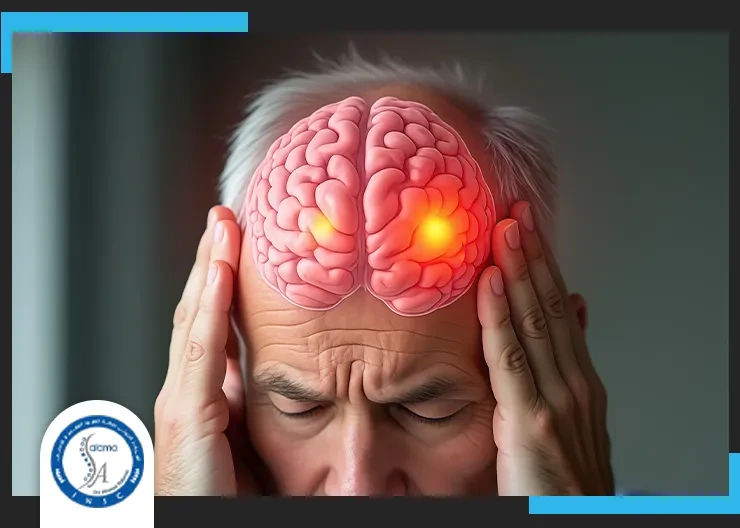
Treating a brain hemorrhage is considered one of the most serious medical conditions a person can face. It occurs when a blood vessel within the brain ruptures, causing blood to leak into the surrounding tissue. If not treated quickly, the hemorrhage can cause permanent brain damage or even death. Therefore, rapid diagnosis and immediate treatment can save the patient's life and help minimize the damage. In this article, we will learn about the latest methods for treating brain hemorrhages and how to manage this emergency to ensure the patient's recovery with minimal damage.
Treatment of Brain Hemorrhages
Treatment of brain hemorrhages is a medical challenge that depends on rapid diagnosis and accurate selection of appropriate treatment based on the location, size, and extent of the hemorrhage's impact on brain tissue. Treatment of brain hemorrhages involves several basic steps aimed at stopping the bleeding, reducing complications, and improving the chances of recovery. Treatment methods for brain hemorrhages include:
Drug therapy: to control high blood pressure, prevent swelling, and reduce convulsions.
Close medical monitoring and follow-up: in cases of minor hemorrhages, with ongoing symptom monitoring.
Surgical intervention: To remove blood clots or relieve pressure on brain tissue.
Cerebral fluid drainage: Using a tube to reduce the pressure caused by fluid accumulation.
Treatment of underlying causes: Such as repairing aneurysms or vascular malformations if they are the cause of the hemorrhage.
Rehabilitation therapy: After the condition stabilizes, to improve mobility and mental abilities.
Don't hesitate to take the first step toward safe treatment with Dr. Ahmed Ibrahim Salama, Consultant Neurosurgeon and Spine Surgeon. We are here to support you from the moment of diagnosis until full recovery, with meticulous medical expertise and exceptional compassionate care. Contact us now and prepare to regain your health with confidence. Also, follow the success rate of brain tumor surgeries.
What is a brain hemorrhage?
A brain hemorrhage is a medical emergency that occurs when blood leaks from a blood vessel within the brain into the surrounding tissue. This leakage can lead to brain cell damage due to increased pressure and decreased oxygen supply. The causes of brain hemorrhages vary, including head injuries, high blood pressure, and aneurysms. Their severity varies depending on the amount of bleeding, its location, and the speed of treatment.
What is the recovery rate for a patient with a brain hemorrhage?
The recovery rate after treating a brain hemorrhage depends on several factors, most notably the size of the hemorrhage, its location, the speed of treatment, and the patient's general health. According to recent medical studies, the survival rate after 30 days of a primary brainstem hemorrhage is approximately 70%, with a significant improvement in consciousness within 90 days when precise treatment strategies are followed. Modern techniques, such as stereotactic aspiration, have proven to significantly improve survival rates compared to traditional conservative treatment. Therefore, prompt diagnosis and the development of an accurate plan for treating brain hemorrhages are crucial factors for achieving the best results and reducing long-term complications.
Full details about the best doctor for treating brain tumors
What are the causes of brain hemorrhages and the influencing factors?
Brain hemorrhages occur as a result of several factors that affect the integrity of the cerebral blood vessels. The most prominent causes associated with cases requiring brain hemorrhage treatment include:
The causes of brain hemorrhages are numerous and vary depending on the individual's age and health status. Here are the most common causes:
Chronic high blood pressure: This is a major cause of brain hemorrhages, as it weakens the walls of blood vessels, increasing the likelihood of them rupturing.
Head trauma: Injuries resulting from falls or accidents, especially among individuals under the age of 50, are a common cause of brain hemorrhages.
Aneurysms: This occurs when the wall of a blood vessel weakens and enlarges, potentially causing it to burst and cause a brain hemorrhage.
Vascular malformations: These include arteriovenous malformations, which may be present from birth and increase the risk of bleeding.
Brain tumors: These may lead to erosion of adjacent blood vessels and bleeding.
Blood disorders: Such as hemophilia or low platelet count, which affect the blood's ability to clot and increase the risk of bleeding.
Liver disease: These affect the production of clotting factors, increasing the likelihood of brain hemorrhages.
Smoking and excessive alcohol consumption: These increase the fragility of blood vessels. Several studies show that smokers are more likely to develop spontaneous brain hemorrhages than non-smokers.
Symptoms of a brain hemorrhage
Symptoms of a brain hemorrhage vary depending on the severity of the condition and the location of the bleeding within the brain, but they often begin suddenly and acutely. Signs that require immediate intervention to treat a brain hemorrhage include:
A sudden, severe headache, often described as the worst of the patient's life.
Sudden nausea and vomiting.
Stiffness and pain in the neck.
Vision changes, such as blurred or partial vision.
Temporary or permanent loss of consciousness.
Sudden numbness or weakness in the face or extremities, especially on one side of the body.
Speech disturbances, such as slurred speech.
Dizziness, confusion, and loss of balance.
Extreme sensitivity to light.
Difficulty swallowing or breathing.
Seizures.
Coma in advanced cases.
Treating brain hemorrhage with medication
In some mild to moderate brain hemorrhages, drug therapy may be used as the initial treatment to limit bleeding and prevent complications. Treatment typically includes medications that help improve blood flow and regulate blood pressure, such as anticoagulants or medications to lower high blood pressure. Additionally, medications may be recommended to reduce swelling within the brain and calm inflammatory reactions that may occur as a result of the hemorrhage. These medications help stabilize the patient's condition and prevent the hemorrhage from worsening.
Brain hemorrhage due to high blood pressure
Rehabilitation after treatment for a brain hemorrhage
After medical stabilization following treatment for a brain hemorrhage, rehabilitation is an important part of the recovery process. The patient may experience difficulties with movement, language, or memory due to the effects of the brain hemorrhage. Therefore, intervention by a medical team specializing in neurorehabilitation, which includes physical, occupational, and speech therapy, is required. The goal of this treatment is to restore the patient's motor and cognitive functions to the greatest extent possible, as well as help them adapt to daily life after the injury.
Early recognition of these symptoms significantly contributes to the success of brain hemorrhage treatment and improves the chances of recovery after a brain hemorrhage is diagnosed and treated correctly.
If you are looking for effective methods for treating brain hemorrhage, contact Dr. Ahmed Salama now for a personalized medical consultation.
How to Detect Brain Tumors in Children
The Most Dangerous Types of Brain Hemorrhage
The most dangerous type of brain hemorrhage is bleeding within deep brain tissue, especially intraventricular hemorrhage or subarachnoid hemorrhage resulting from a ruptured aneurysm. This type of hemorrhage leads to dangerously high intracranial pressure and impaired consciousness, which can be life-threatening within minutes if urgent medical intervention is not provided. These cases require immediate intensive care and precise treatment plans to minimize neurological damage and preserve the patient's life. Learn more about non-surgical brain tumor treatment.
What are the methods for diagnosing brain hemorrhages?
Accurately diagnosing a brain hemorrhage is a key step in ensuring successful treatment and achieving the best outcomes. The doctor relies on several specialized tests to determine the location and severity of the hemorrhage. The most prominent diagnostic methods include:
CT scan: This is the first choice for quickly detecting intracerebral hemorrhage. A contrast dye may be used to visualize the blood vessels more clearly (CT angiography).
Magnetic resonance imaging (MRI): This scan provides detailed images of brain tissue and may reveal hemorrhages not seen on a CT scan. Magnetic resonance angiography (MRA) can also be performed to evaluate arteries and veins.
Cerebral catheterization: A precise technique in which a catheter is inserted into the cerebral blood vessels and a dye is injected to detect abnormalities or tears that may be causing the hemorrhage.
Lumbar puncture: This procedure is used when imaging results are inconclusive. A sample of cerebrospinal fluid is withdrawn to test for blood.
Additional tests: Electroencephalography (EEG), chest x-ray, urinalysis, and complete blood count (CBC) may be used to determine the underlying cause of the hemorrhage.
Accurate and rapid diagnosis is the first step to developing the best treatment plans for a brain hemorrhage and improving the chances of recovery.
What is first aid for a brain hemorrhage patient?
First aid for a brain hemorrhage patient is a crucial step in reducing complications and initiating rapid treatment. When a brain hemorrhage is suspected and treated, immediate intervention is required through the following measures:
Immediately contact emergency medical services to obtain specialized support as quickly as possible.
Continuously monitor breathing and consciousness. If breathing stops or a weak pulse is observed, cardiopulmonary resuscitation (CPR) should be initiated immediately.
Avoid moving the patient or giving him food or drinks until the rescue team arrives, especially since the most serious types of brain hemorrhage may be accompanied by impaired consciousness or impaired swallowing ability.
Prompt and effective first aid can make a real difference in saving the patient's life and improving the outcomes of brain hemorrhage treatment.
What are the complications of a brain hemorrhage?
After a brain hemorrhage, the patient may experience a number of complications that affect recovery and may last for long periods. Identifying these complications is an important part of a brain hemorrhage treatment plan to reduce risks and improve recovery chances. The most important of these complications are:
Parasy or motor weakness: Loss of the ability to move a part of the body.
Speech or comprehension disorders: Difficulty speaking or understanding words.
Memory and concentration problems: Impaired ability to remember or concentrate.
Loss of balance and coordination: Difficulty walking or performing fine movements.
Behavioral or psychological changes: Such as depression, mood swings, or aggression.
Seizures: Recurrent epileptic seizures.
Loss of consciousness or coma: In severe cases, death.
Therefore, managing and treating a brain hemorrhage is not limited to stopping the bleeding; it also includes close monitoring for potential complications to ensure the best possible recovery.
For patients suffering from a brain hemorrhage, do not hesitate to consult Dr. Ahmed Ibrahim Salama today to receive the best specialized medical care.
Is it possible to recover from a brain hemorrhage?
Although complete prevention of all causes of brain hemorrhage may not be possible, taking some healthy steps can significantly reduce the risk. Doctors recommend several important measures as part of a treatment and prevention plan for brain hemorrhage, including:
Maintaining normal blood pressure.
Reducing harmful cholesterol levels.
Maintaining a healthy, balanced weight.
Quitting smoking and abstaining from alcohol.
Eating a diet rich in vegetables, fruits, and healthy foods.
Exercising
Regular exercise.
Regulate blood sugar levels, especially for diabetics.
Additional preventive measures, such as wearing helmets during sports or wearing a seatbelt in a car, can protect against injuries that could lead to a brain hemorrhage, which becomes necessary for treatment.
Finally, remember that early diagnosis and prompt treatment are the cornerstone of reducing the complications of bleeding. Therefore, knowing preventive methods helps avoid the need for treatment for brain hemorrhage in the future.
Physiotherapy and Rehabilitation for Brain Hemorrhage
After the danger phase has passed and the general condition has stabilized, physical therapy and rehabilitation become an essential part of the treatment plan for the symptoms of a brain hemorrhage. Rehabilitation begins early to support the patient in regaining vital functions and reducing the long-term complications associated with brain hemorrhage and its treatment.
Initially, positioning exercises and passive joint movement are performed, even if the patient is still in intensive care or unconscious, to prevent joint stiffness and pressure sores. As the patient's condition improves and they regain voluntary movement, neuroplasticity training is introduced, along with electrical stimulation to strengthen weak muscles.
Physiotherapy programs range from bedside sitting exercises to standing and walking exercises, depending on the patient's strength and balance. Occupational therapy also includes training in activities of daily living and improving manual and cognitive skills. The treatment plan is supported by the use of orthotics if necessary, in addition to providing functional respiratory therapy, speech therapy, and swallowing therapy as needed.
It is worth noting that treatment programs for brain hemorrhage, especially when dealing with serious complications, require the collaboration of a multidisciplinary medical team led by a physical therapist and rehabilitation physician. This integration contributes to enhancing the chances of recovery and reducing the recovery period, especially in cases that may also require advanced techniques such as catheterization of brain hemorrhage if the situation requires special intervention.
Why choose Dr. Ahmed Ibrahim Salama for brain hemorrhage treatment?
If you are seeking specialized medical care to treat the effects of a brain hemorrhage, choosing the right doctor makes a significant difference in the speed of recovery and the quality of results. This is where Dr. Salama comes in. Dr. Ahmed Ibrahim Salama, a consultant neurosurgeon and spine surgeon, is considered one of the best consultants in this field, thanks to his many advantages, including:
Extensive experience in neurosurgery and spine surgery.
Using the latest global medical technologies and methods.
Special attention to accurate diagnosis and developing an appropriate treatment plan for each patient.
Achieving high success rates in treating critical and complex cases.
Providing accurate and comprehensive post-treatment follow-up to ensure the best results.
In conclusion, a brain hemorrhage is a critical condition that requires urgent medical intervention, as rapid diagnosis and accurate treatment are key factors in improving the chances of recovery and reducing complications. With the advancement of diagnostic techniques and treatment methods for brain hemorrhage, it has become possible to achieve better results, especially with the presence of a specialized medical team led by Dr. Ahmed Ibrahim Salama, who is distinguished by his extensive experience in dealing with these delicate cases. Prevention remains an important step, by controlling risk factors such as high blood pressure and an unhealthy lifestyle, which contributes to reducing the likelihood of hemorrhage and maintaining long-term brain health. So, if you're looking for the best treatment options for brain hemorrhage and precise medical care, don't hesitate to contact Dr. Ahmed Ibrahim Salama's clinic, a consultant neurosurgeon and spine surgeon, and begin your journey toward recovery in safe hands with the best doctor for treating brain tumors.
Is it possible to completely recover from a brain hemorrhage?
Yes, a complete recovery from a brain hemorrhage is possible in some cases, especially if the patient is young, healthy, and diagnosed and treated early. However, some patients may still experience complications depending on the severity of the hemorrhage and the condition of the brain after treatment.
Does the patient survive a brain hemorrhage?
A patient's survival from a brain hemorrhage depends on the speed of diagnosis and treatment, as well as the severity of the hemorrhage. The faster intervention and better care are provided, the greater the chances of survival and the fewer complications.
Recovery time from a brain hemorrhage
The recovery period from a brain hemorrhage varies from person to person, depending on several factors, such as the size of the hemorrhage, its location, the speed of treatment, and the patient's general condition. The recovery period can range from several weeks to several months, and even years in some severe cases.
Does brain hemorrhage cause death?
Yes, a brain hemorrhage can be fatal, especially if it's large or in a vital area of the brain. Bleeding can increase pressure on the brain and damage brain cells, leading to disability or death.