Nasr City, 52 El Tayaran Street, in front of the Health Insurance Hospital

Treatment of peripheral nerve inflammation

Have you ever awakened in the middle of the night to a strange sensation in your feet—not quite sharp pain, nor total numbness, but a unsettling combination of tingling and burning that is difficult to describe? Often, the search for effective peripheral neuropathy treatment begins after these subtle signs recur. What initially seems like temporary fatigue or the result of prolonged sitting can gradually escalate, impacting rest, mobility, and overall quality of life.
Peripheral neuropathy is more than transient discomfort in the hands or feet. It represents a clinical condition linked to diverse etiologies that impair nerve function and signal transmission. Consequently, symptoms and treatment approaches for peripheral neuropathy in the hands and feet vary based on the underlying cause and the extent of nerve involvement. But can a patient with peripheral neuropathy recover fully?
This article provides a comprehensive overview of the causes, symptoms, diagnostic techniques, modern treatment options, nerve-supportive medications, and strategies for safely restoring function. Read on to explore all available choices.
Peripheral Neuropathy Treatment in Egypt: Diagnostic Steps and Selecting the Appropriate Plan
Effective management of peripheral neuropathy depends on identifying its root cause, as suppressing pain or numbness without addressing the primary etiology is insufficient. Early, accurate diagnosis is crucial for selecting a targeted treatment plan and minimizing functional impairment.
Standard diagnostic steps for peripheral neuropathy include:
-
Medical History Review: Detailed assessment of current symptoms, progression, and impact on daily activities.
-
Neurological Examination: Evaluation of muscle strength, reflexes, sensory perception, and motor balance.
-
Laboratory Blood Tests: Screenings for vitamin deficiencies, diabetes, systemic inflammation, or metabolic disorders.
-
Diagnostic Imaging (MRI or CT): Utilized when nerve compression or structural spinal issues are suspected.
-
Nerve Conduction Studies (NCS) & Electromyography (EMG): Conducted to measure electrical signal efficiency and localize nerve damage accurately.
-
Advanced Testing: Specialized nerve function tests or diagnostic biopsies in specific cases.
Once a precise diagnosis is established, a personalized treatment plan is selected based on cause, symptom severity, and functional goals. Interventions may include:
-
Pharmacological agents targeting neuropathic pain control.
-
High-potency vitamins and supportive therapies to correct nutritional deficiencies affecting nerve health.
-
Physical therapy to strengthen muscles, improve balance, and reduce functional limitations.
-
Endoscopic or open peripheral nerve decompression procedures in select surgical candidates.
At the clinic of Prof. Dr. Ahmed Ibrahim Salama—Consultant of Neurosurgery and Spine Surgery, Fellow of the Scoliosis Research Society (SRS) – USA, and Member of both the Egyptian and European Societies of Neurological Surgeons—we deliver specialized care and tailored therapeutic protocols designed to optimize recovery outcomes. Do not allow symptoms to dictate your daily life; schedule an evaluation to begin a structured path toward functional recovery.
What Is Peripheral Neuropathy and Which Extremities Are Most Affected?
Peripheral neuropathy occurs when nerves outside the brain and spinal cord become damaged or dysfunctional. These peripheral nerves are responsible for transmitting sensory and motor signals between the central nervous system and the rest of the body.
When damaged, peripheral nerves generate abnormal signals or lose their ability to transmit sensory information correctly. This leads to symptoms that interfere with movement, sensation, and daily activities. Early clinical evaluation is a pivotal step in ensuring effective management.
The most frequently affected areas include:
-
Toes: Symptoms often initiate here in many clinical presentations.
-
Feet and Lower Legs: Numbness or discomfort may ascend progressively over time.
-
Fingers and Hands: Involved as the condition progresses in certain neuropathy types.
-
Arms: May become involved in advanced multi-nerve neuropathies.
Clinical presentation varies between individuals. Symptom severity and distribution depend directly on the underlying cause and the specific nerve fibers affected.
Symptoms of Peripheral Neuropathy in the Hands and Feet
Symptoms of peripheral neuropathy vary based on whether sensory, motor, or autonomic fibers are primarily involved. Most cases present with a gradual onset starting in the distal extremities (hands and feet) and may progressively impair daily functioning over time. Recognizing these early indicators facilitates timely intervention.
Numbness, Burning, and Reduced Sensation
Sensory disturbances are among the most common early indicators. Symptoms usually start gradually in the toes or fingers before spreading. Patients frequently report numbness, tingling, burning sensations, or diminished perception of touch and temperature—sometimes describing a feeling like wearing invisible gloves or socks.
Neuropathic Pain and Motor Impairment
Neuropathy can also severely impair motor function and physical comfort. Patients may experience sharp, jabbing, throbbing, or electric shock-like pains. Associated motor symptoms include muscle weakness, loss of coordination, difficulty walking, or difficulty gripping objects.
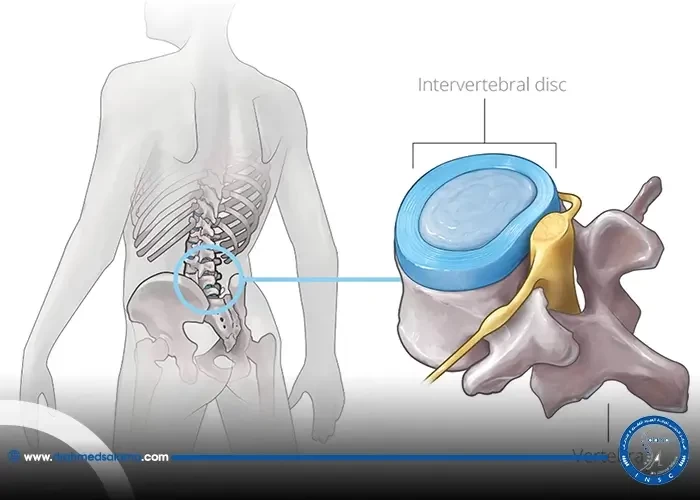
When numbness or radiating pain in the lower extremities is caused by mechanical nerve root compression rather than isolated peripheral nerve disease, patients should be evaluated for spinal conditions. In such cases, symptoms may overlap with the Symptoms of a herniated disc in the back.
At the center of Prof. Dr. Ahmed Ibrahim Salama, early evaluation prevents minor symptoms from progressing into permanent functional deficits. Contact our clinic for a comprehensive diagnostic workup.
Causes of Peripheral Neuropathy: Diabetes and Vitamin Deficiencies
Peripheral neuropathy stems from numerous underlying conditions that disrupt nerve health and signaling capacity. Identifying the exact underlying factor is essential for target-driven care.
According to medical guidelines, such as those from the Mayo Clinic, diabetes mellitus is the single most common cause. Sustained hyperglycemia leads to progressive vascular and metabolic damage to small nerve fibers, particularly in the feet and legs. Strict glycemic control is therefore a cornerstone of managing diabetic peripheral neuropathy.
Vitamin Deficiencies also play a primary role. B-complex vitamins—specifically B1, B6, and B12—along with Vitamin E and trace minerals like copper, are vital for maintaining the myelin sheath and nerve cell structure.
Other well-established causes and risk factors include:
-
Autoimmune Diseases: Conditions where the immune system attacks nerve tissue or surrounding connective structures.
-
Infections: Specific viral or bacterial infections known to affect peripheral nerves.
-
Systemic Disorders: Kidney disease, liver dysfunction, or thyroid imbalances.
-
Toxic Exposure: Heavy metals, industrial chemicals, or excessive alcohol consumption.
-
Medications: Certain drug regimens, notably specific chemotherapy agents.
-
Trauma or Repressive Pressure: Physical injury or repetitive mechanical entrapment.
-
Hereditary Neuropathies or Tumors: Genetic conditions or growths compressing nerve trunks.
Idiopathic cases (where no clear cause is identified despite thorough testing) also occur, underscoring the need for specialized diagnostic oversight.
Types of Peripheral Neuropathy Determining Treatment Strategy
The classification of peripheral neuropathy depends on the type, location, and number of nerves affected. When upper extremity numbness and tingling result from localized structural entrapment rather than systemic metabolic inflammation, patients require targeted nerve decompression therapy.
Primary clinical categories include:
-
Diabetic Peripheral Neuropathy: The most prevalent form, resulting from chronic high blood sugar affecting distal lower-limb nerves.
-
Mononeuropathy: Damage isolated to a single peripheral nerve due to localized compression, ischemia, or trauma.
-
Carpal Tunnel Syndrome: A common form of mononeuropathy caused by repetitive entrapment of the median nerve at the wrist.
-
Sensory Neuropathy: Primary damage to sensory nerve fibers, presenting as paresthesia, pain, or loss of temperature sensation.
-
Motor Neuropathy: Involvement of motor nerve fibers, leading to muscular weakness, cramps, or muscle wasting.
-
Autonomic Neuropathy: Damage to nerves controlling involuntary bodily functions, affecting blood pressure regulation, digestion, or sweating.
Because treatment strategies differ significantly between systemic polyneuropathies and focal entrapment neuropathies, an accurate diagnostic classification is required.
Medications and Vitamin Therapies for Peripheral Neuropathy
Pharmacological therapy aims to reduce neuropathic pain, manage underlying systemic causes, and support nerve repair.
Neuropathic Pain Relievers
Standard pain medications (like NSAIDs) are often ineffective for true nerve pain. Specialized neuropathic medications include:
-
Anticonvulsants / Gabapentinoids: Agents such as Pregabalin and Gabapentin designed to stabilize overactive nerve firing.
-
SNRIs & Antidepressants: Targeted agents like Duloxetine or Venlafaxine that modulate pain signaling pathways in the central nervous system.
-
Topical Treatments: Lidocaine patches or capsaicin creams for localized pain relief.
There is no single "strongest" nerve medication suitable for all patients; selection depends on the patient's medical profile, comorbidities, and specific type of neuropathy.
In cases where severe structural nerve compression or focal disc herniation fails to respond to conservative medical management, surgical intervention—such as Cartilage removal and stabilization of vertebrae—may be indicated to decompress the affected nerve roots.
Target Vitamin Supplementation
When nutritional deficiencies are identified, specific supplementation supports nerve regeneration:
-
Vitamin B1 (Thiamine)
-
Vitamin B6 (Pyridoxine)
-
Vitamin B12 (Cobalamin / Methylcobalamin)
-
Vitamin E and supportive antioxidants
High-dose vitamins should only be taken under medical supervision, as excessive dosages of certain vitamins (such as B6) can paradoxically cause peripheral nerve toxicity.
Managing Neuropathy Symptoms at Home: Recommended Guidelines
Home management supports clinical treatment but cannot replace formal medical care.
Recommended Practices:
-
Glycemic Control: Maintain blood glucose levels within target ranges.
-
Balanced Nutrition: Consume a nutrient-dense diet rich in natural B-complex sources.
-
Gentle Exercise: Engage in low-impact activities or physical therapy exercises to promote circulation.
-
Foot and Hand Care: Inspect extremities daily for minor cuts, blisters, or pressure sores.
-
Ergonomics: Take regular breaks during repetitive activities to avoid sustained nerve compression.
Practices to Avoid:
-
Self-medicating or taking high-dose supplements without medical oversight.
-
Ignoring persistent numbness or relying solely on over-the-counter painkillers.
-
Sitting or standing in static postures for extended periods.
-
Smoking, which compromises microvascular blood supply to peripheral nerves.
-
Neglecting routine follow-ups for chronic conditions like diabetes.
When to Consult a Neurosurgeon Immediately
Certain warning signs indicate severe or rapidly progressing nerve compromise requiring urgent neurological evaluation:
-
Rapidly spreading or worsening paresthesia (tingling/numbness) in the hands or feet.
-
Progressive muscle weakness or sudden loss of motor control (e.g., foot drop or dropping objects).
-
Severe, unremitting burning pain that severely disrupts sleep.
-
Loss of balance, gait instability, or frequent unprovoked falls.
-
Unnoticed injuries, ulcers, or skin breakdown on the feet due to loss of pain sensation.
Early surgical or medical intervention helps protect nerve tissue from irreversible damage.
Key Factors Influencing Treatment Success
The prognosis and speed of recovery in peripheral neuropathy depend on several key factors:
-
Timeliness of diagnosis and initiation of treatment.
-
Accurate identification and treatment of the underlying cause.
-
Patient compliance with prescribed pharmacological regimens.
-
Adherence to recommended physical therapy and lifestyle modifications.
-
Severity and duration of nerve damage prior to treatment.
-
The expertise of the medical team and precision of diagnostic tools.
Can a Patient with Peripheral Neuropathy Fully Recover?
Yes, recovery or significant improvement is achievable in many cases—particularly when the condition is diagnosed early and the underlying cause is treatable. For instance, neuropathy caused by vitamin deficiencies or localized nerve compression often responds exceptionally well once corrected. While metabolic neuropathies (like diabetic neuropathy) may require long-term management, proper care can arrest progression, relieve pain, and restore functional mobility.
If surgical decompression or spinal fusion is needed to relieve severe radicular nerve compression, understanding How long does it take to recover from a spinal fusion surgery? helps patients plan their rehabilitation journey effectively.
Patients facing complex spinal or nerve surgeries often evaluate procedural options and inquire about the Cost of scoliosis surgery in Egypt when planning their specialized care.
Contact Prof. Dr. Ahmed Ibrahim Salama for Expert Neurological Care
At the center of Prof. Dr. Ahmed Ibrahim Salama—Consultant of Neurosurgery and Spine Surgery, Fellow of the Scoliosis Research Society (SRS) – USA, and Member of the Egyptian and European Societies of Neurological Surgeons—we offer comprehensive diagnostic evaluations and state-of-the-art medical and surgical treatments for peripheral nerve disorders.
Key features of our care include:
-
Comprehensive neuro-diagnostic testing and imaging.
-
Individualized treatment protocols targeting root causes.
-
Expertise in both conservative management and minimally invasive nerve decompression.
-
Continuous patient monitoring to evaluate functional recovery.
Schedule your consultation today to take a proactive step toward relieving neuropathic pain and restoring mobility.